

Laser engravers are powerful tools that can transform designs into precise cuts and engravings on wood, acrylic, glass, leather, and even metal. They’re increasingly popular among hobbyists, small businesses, and manufacturers because of their versatility and efficiency.
But with this power also comes risk. Many people ask: are laser engravers dangerous? From potential eye injuries and toxic fumes to fire hazards, understanding the risks is essential before setting one up at home, school, or in a workshop. This guide covers everything you need to know to stay safe.
Key Takeaways
- Laser engravers are safe when handled properly, but dangerous if ignored.
- Risks include eye injuries, skin burns, toxic fumes, and fire hazards.
- Safe materials: wood, acrylic, glass, leather, fabric, paper.
- Unsafe materials: PVC, ABS plastic, fiberglass, and polycarbonate.
- Always use safety glasses, proper ventilation, and fire protection.
- Beginners should start with low-power diode lasers.
- Long-term risks often come from repeated fume exposure without extraction.
What Makes a Laser Engraver Potentially Dangerous?
Laser engravers use highly concentrated beams of light strong enough to cut or mark materials. While effective for engraving, this technology can be risky without proper precautions.
Main hazards include:
- Eye injuries: Direct or reflected beams can cause permanent eye damage.
- Skin burns: Direct exposure to the beam can burn skin.
- Toxic fumes: Engraving certain plastics and coatings releases harmful gases.
- Fire hazards: Flammable materials like paper or fabric can ignite.
- Electrical issues: Poor wiring or damaged machines may cause shocks.
If you’re using a CO₂ laser machine, following a proper engraver checklist can help reduce these risks.
Are Laser Engravers Safe for Home Use?
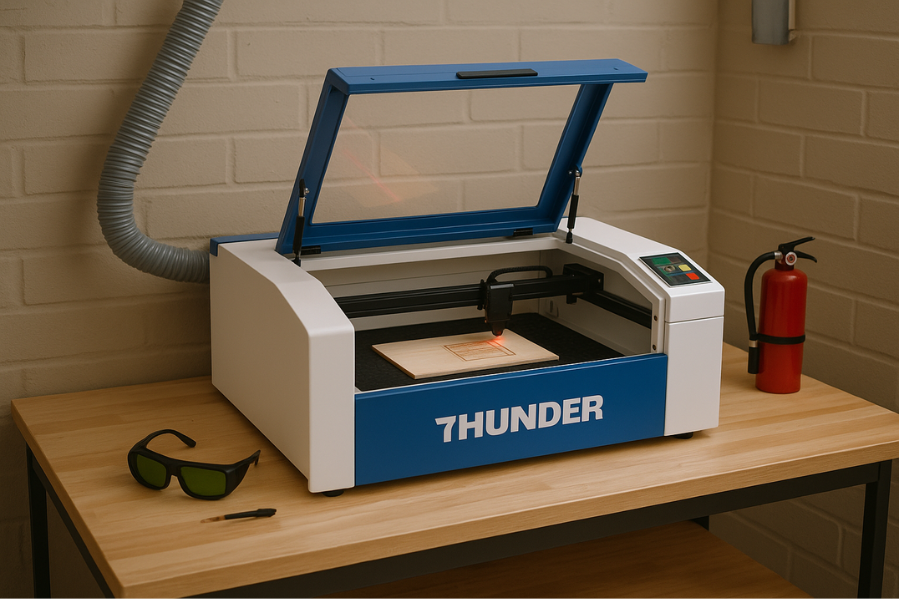
Yes, laser engravers can be safe for home workshops if you follow safety practices. Many consumer models are built with protective casings, interlocks, and auto-shutoff features.
Home safety depends on:
- Setting up in a ventilated area
- Wearing laser safety glasses
- Avoiding prohibited materials
- Keeping a fire extinguisher nearby
- Never leaving the machine unattended
For hobbyists and makers, it’s worth checking out this guide on how to laser engrave safely at home.
What Materials Are Dangerous to Engrave?
Not all materials are safe to use in a laser engraver. Some can release harmful gases or damage the machine.
Avoid engraving:
- PVC (polyvinyl chloride): Produces chlorine gas
- ABS plastic: Releases cyanide-based fumes
- Fiberglass: Emits toxic particles
- Polycarbonate: Burns poorly, releases smoke
- Coated carbon fiber: May emit dangerous gases
Safer choices include:
- Wood
- Acrylic
- Leather
- Fabric
- Paper and cardboard
- Glass
If you work mainly with wood, understanding the right laser engraving settings is key to both safety and quality results.
What Safety Equipment Do You Need for Laser Engraving?
The right equipment makes laser engraving far safer.
| Safety Measure | Purpose |
|---|---|
| Laser safety glasses | Protect eyes from harmful beams |
| Ventilation or fume extractor | Removes toxic smoke and gases |
| Fire extinguisher | Prevents small fires from spreading |
| Machine enclosure | Limits exposure to beam and fumes |
| Regular maintenance | Reduces risk of electrical or mechanical failure |
For peace of mind, follow a schedule like this laser engraver maintenance guide
Can Fumes from Laser Engraving Make You Sick?
Yes. Engraving plastics, painted surfaces, or synthetic materials can produce gases like chlorine, formaldehyde, and hydrogen cyanide.
Short-term symptoms:
- Eye irritation
- Headaches
- Nausea
- Throat discomfort
Long-term risks:
- Respiratory issues
- Potential damage to lungs and liver with repeated exposure
Proper ventilation, fume extractors, or working outdoors can significantly reduce these risks. For detailed advice, see these critical safety tips.
How Do Professionals Reduce Risks with Laser Engravers?
In industrial environments, lasers are more powerful, so safety standards are stricter.
Professionals typically:
- Use enclosed engravers with safety interlocks
- Install industrial-grade fume extractors
- Train staff with formal safety guidelines
- Follow OSHA (Occupational Safety and Health Administration) standards
- Maintain machines regularly to prevent malfunctions
Are Laser Engravers Dangerous for Beginners?
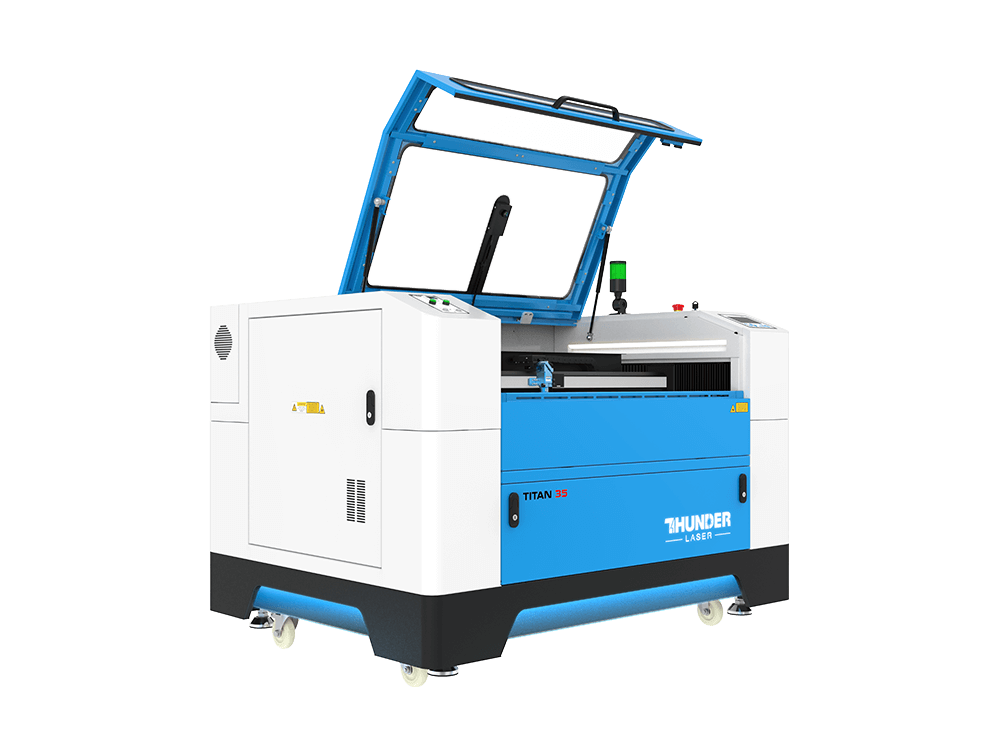
Beginners can use laser engravers safely if they start small and follow guidelines. Entry-level diode lasers are best for learning.
Beginner safety tips:
- Start with simple, safe materials like wood or acrylic.
- Read the machine manual thoroughly.
- Keep a fire extinguisher nearby.
- Never engrave unknown plastics or painted surfaces.
- Keep children and pets away from the work area.
What Are the Long-Term Risks of Using a Laser Engraver?
Short-term risks involve burns, eye injuries, or small fires. Long-term risks are mainly linked to repeated fume exposure and poor workspace design.
Without proper ventilation, professionals using engravers daily may face chronic respiratory problems. That’s why air filtration systems are standard in schools, makerspaces, and factories.
How Dangerous Are Different Types of Laser Engravers?
| Laser Type | Power Range | Common Uses | Risk Level |
|---|---|---|---|
| Diode Laser | 1–10W | Hobby projects, wood, acrylic | Low to Moderate |
| CO2 Laser | 40–150W | Wood, plastics, leather, glass | Moderate |
| Fiber Laser | 20–100W | Metal marking, industrial use | Moderate to High |
| Industrial Lasers | 500W+ | Steel cutting, large-scale manufacturing | High |
Conclusion
Laser engravers are not inherently dangerous, but they can cause harm if misused. With proper protective gear, safe material choices, and ventilation, they can be used safely at home, in schools, or in industrial settings.
The bottom line: laser engravers are safe when handled responsibly, but risky if ignored.
FAQs About Laser Engraver Safety
Should you wear a mask when laser engraving?
Yes, wearing a mask is recommended, especially if you do not have a proper fume extraction system. Laser engraving can release smoke and harmful particles that irritate your lungs and throat. A high-quality respirator or mask with filters offers an extra layer of protection, but it should not replace proper ventilation. The safest setup combines a fume extractor with personal protective equipment like safety glasses and a mask.
Is it safe to watch a laser engraver?
It is safe to watch a laser engraver as long as you are not exposed directly to the beam. Always keep the protective cover closed if your machine has one, and wear laser safety glasses when required. Watching from a safe distance is fine, but never look directly into the laser light or reflections, as they can cause serious eye damage.
Do you need ventilation for a laser engraver?
Yes, ventilation is essential for safe laser engraving. The process produces smoke, dust, and sometimes toxic fumes depending on the material. Without proper airflow, these can build up and cause health risks or damage your machine. A fume extractor, air filter, or a well-ventilated workspace ensures cleaner air and safer operation.