
Laser cutting and 3D printing are two of the most popular digital fabrication technologies available today. Both allow creators, manufacturers, engineers, and hobbyists to transform digital designs into physical products with impressive precision.
However, despite serving similar goals, these technologies work in very different ways. Laser cutting removes material from a flat sheet, while 3D printing builds objects layer by layer from scratch.
Understanding the strengths and limitations of each process can help you choose the best solution for your project, whether you’re creating prototypes, custom products, industrial parts, signage, or decorative items.
In this guide, we’ll compare laser cutting and 3D printing in terms of cost, speed, materials, accuracy, applications, and overall performance.
Key Takeaways
- Laser cutting and 3D printing are different manufacturing methods, with laser cutting removing material and 3D printing building objects layer by layer.
- Laser cutting is typically faster and more cost-effective for producing flat parts, signage, packaging, and decorative products.
- 3D printing excels at creating complex three-dimensional shapes, prototypes, and custom functional components.
- Laser cutting works best with sheet materials such as wood, acrylic, leather, cardboard, and certain metals.
- 3D printing supports a wide range of materials, including PLA, ABS, PETG, resin, nylon, and engineering-grade plastics.
- Laser cutting generally offers faster production speeds, while 3D printing provides greater design flexibility.
- Many businesses combine laser cutting and 3D printing to create products that leverage the strengths of both technologies.
- The best choice depends on your project goals, material requirements, production volume, budget, and design complexity.
What Is Laser Cutting?
Laser cutting is a manufacturing process that uses a focused laser beam to cut, engrave, or mark materials.
The laser follows a digital design file and removes material with exceptional precision.
Common Materials Used in Laser Cutting
- Wood
- Acrylic
- Leather
- Cardboard
- Paper
- Fabric
- Rubber
- Some metals
Laser cutting is widely used in industries such as:
- Product manufacturing
- Sign making
- Architecture
- Education
- Packaging
- Custom gifts
Because it is fast and accurate, laser cutting is ideal for producing flat components and detailed designs.
What Is 3D Printing?
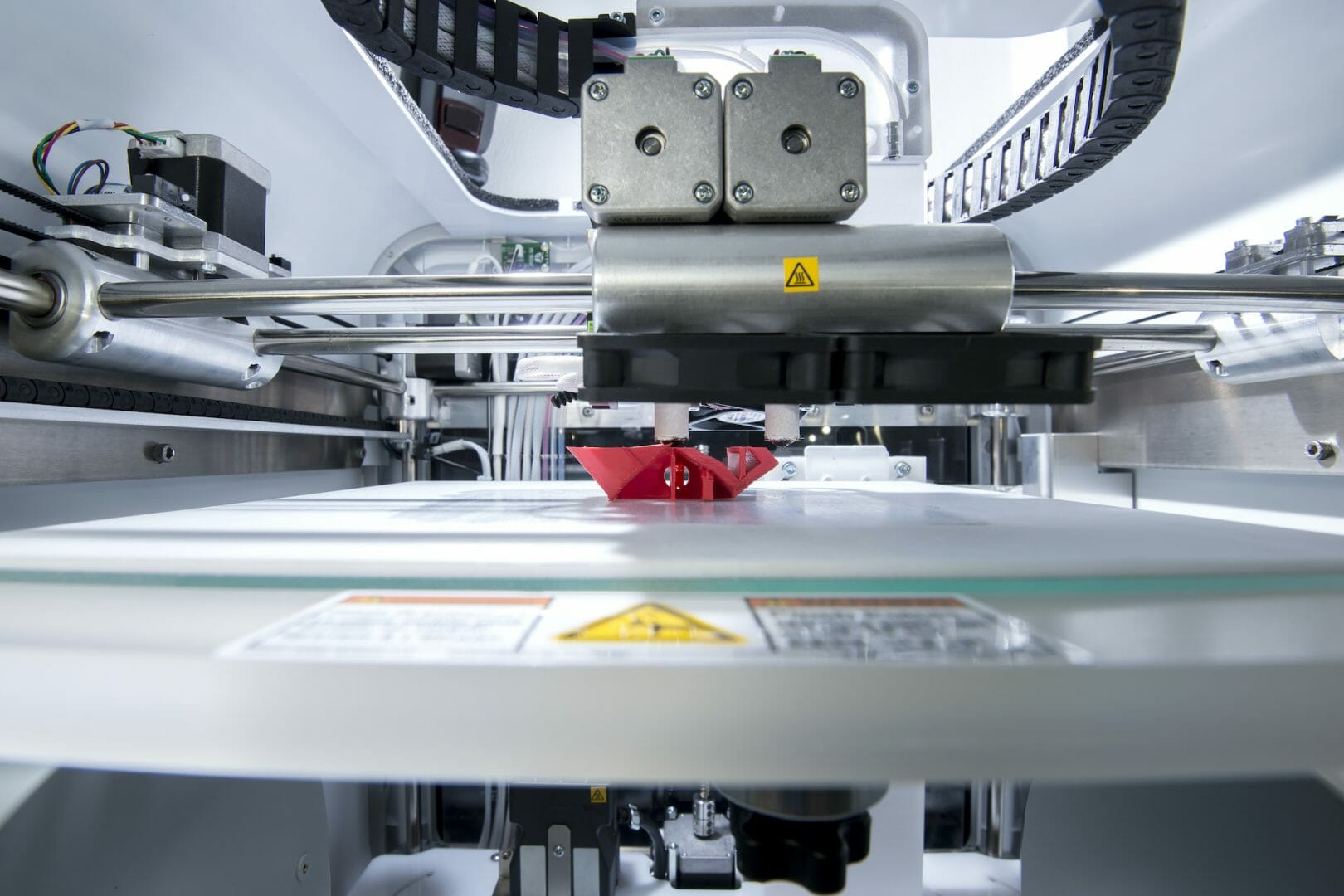
3D printing, also known as additive manufacturing, creates objects by depositing material layer by layer.
Unlike laser cutting, which removes material, 3D printing builds an object from the ground up.
Common 3D Printing Materials
- PLA
- ABS
- PETG
- Nylon
- Resin
- Carbon fiber composites
- Metal powders
3D printing is commonly used for:
- Prototyping
- Product development
- Medical models
- Custom parts
- Engineering applications
Its ability to create complex three-dimensional shapes is one of its biggest advantages.
How Do Laser Cutting and 3D Printing Differ?
The biggest difference lies in how objects are created.
Manufacturing Method Comparison
| Feature | Laser Cutting | 3D Printing |
|---|---|---|
| Process Type | Subtractive Manufacturing | Additive Manufacturing |
| Material Usage | Removes Material | Adds Material |
| Starting Material | Flat Sheets | Filament, Resin, Powder |
| Output Type | Flat Components | 3D Objects |
| Production Speed | Fast | Slower |
| Complexity | Moderate | High |
Laser cutting starts with a sheet of material and removes unwanted sections, while 3D printing gradually builds the final shape layer by layer.
Which Technology Is Faster?
For most projects, laser cutting is significantly faster.
Laser Cutting Speed Advantages
- Rapid material processing
- Instant cutting paths
- Minimal setup time
- Suitable for batch production
A laser cutter can often complete a project in minutes that may take several hours to print.
3D Printing Speed Challenges
Because objects are built layer by layer:
- Print times can be lengthy
- Complex designs require more time
- Large objects may take many hours
When production speed matters, laser cutting is often the preferred choice.
Which Produces Better Accuracy and Detail?
Both technologies offer excellent precision, but in different ways.
Laser Cutting Accuracy
Laser cutting excels at:
- Sharp edges
- Fine details
- Clean cuts
- Consistent dimensions
3D Printing Accuracy
3D printing excels at:
- Complex geometries
- Internal structures
- Curved surfaces
- Functional prototypes
The best choice depends on the type of object being created.
Which Materials Are Available for Each Technology?
Material selection can heavily influence your decision.
Laser Cutting Materials
| Material | Compatible |
|---|---|
| Wood | Yes |
| Acrylic | Yes |
| Leather | Yes |
| Cardboard | Yes |
| Fabric | Yes |
| Paper | Yes |
| Some Metals | Yes |
3D Printing Materials
| Material | Compatible |
|---|---|
| PLA | Yes |
| ABS | Yes |
| PETG | Yes |
| Nylon | Yes |
| Resin | Yes |
| Carbon Fiber Composites | Yes |
Laser cutting generally offers more decorative and sheet-based material options, while 3D printing supports a wider variety of engineering plastics.
Which Is More Cost-Effective?
The answer depends on the project.
Laser Cutting Advantages
- Lower material waste
- Faster production
- Lower operating costs for many projects
- Ideal for repeated production
3D Printing Advantages
- No tooling required
- Efficient for prototypes
- Suitable for highly customized parts
For large quantities of flat products, laser cutting is often more economical.
For one-off prototypes, 3D printing may be more cost-effective.
What Types of Projects Are Best for Laser Cutting?
Laser cutting is ideal for projects that begin with flat materials.
Popular Applications
- Signage
- Product packaging
- Decorative panels
- Custom gifts
- Architectural models
- Jewelry components
- Furniture parts
- Acrylic displays
Its speed and precision make it a favorite among makers and small businesses.
What Types of Projects Are Best for 3D Printing?
3D printing shines when creating fully three-dimensional objects.
Popular Applications
- Product prototypes
- Engineering parts
- Medical devices
- Custom tools
- Functional components
- Miniatures
- Consumer products
Complex geometries that would be difficult or impossible to machine are often excellent candidates for 3D printing.
Can Laser Cutting and 3D Printing Be Used Together?
Absolutely.
Many businesses combine both technologies in the same project.
Examples
- Laser-cut enclosures with 3D-printed components
- 3D-printed prototypes with laser-cut packaging
- Custom products that combine printed parts and engraved panels
Using both technologies can maximize design flexibility and manufacturing efficiency.
Ready to Start Creating?
Choosing between laser cutting and 3D printing depends on your project goals, materials, budget, and production requirements. Both technologies offer unique advantages and can deliver outstanding results when used correctly.
At Thunder Laser USA, we provide professional laser cutting and engraving solutions along with expert resources to help makers, educators, manufacturers, and businesses bring their ideas to life.
Conclusion
Laser cutting and 3D printing are powerful technologies, but they serve different purposes. Laser cutting excels at speed, precision, and producing flat components from sheet materials, while 3D printing offers unmatched flexibility for creating complex three-dimensional objects.
By understanding the strengths of each method, you can select the right technology for your next project and achieve better results while saving time and resources.
Related Read:
- Which Materials Are Not Suitable for Laser Cutting and Engraving?
- How Much Does a Laser Cutting Machine Cost?
- Laser Engraved Cutting Board Ideas
- Laser Marking vs Laser Etching vs Laser Engraving: Key Differences
- Best Fonts and Text Styles for Laser Engraving
Frequently Asked Questions
Is laser cutting better than 3D printing?
Neither is universally better. The right choice depends on your project requirements, materials, and desired outcome.
Is laser cutting faster than 3D printing?
Yes. Laser cutting is generally much faster, especially for flat parts and production runs.
Can laser cutting create 3D objects?
Not directly. Laser cutting primarily works with flat sheet materials, though multiple pieces can be assembled into 3D structures.
Is 3D printing more expensive than laser cutting?
For large production runs, 3D printing is often more expensive due to longer production times. For one-off prototypes, it may be more economical.
Which technology is better for prototyping?
3D printing is often preferred for functional prototypes and complex designs.
Can both technologies be used together?
Yes. Many projects combine laser-cut components with 3D-printed parts for the best results.
What industries use laser cutting and 3D printing?
Manufacturing, engineering, education, architecture, healthcare, automotive, aerospace, and product development all use these technologies extensively.