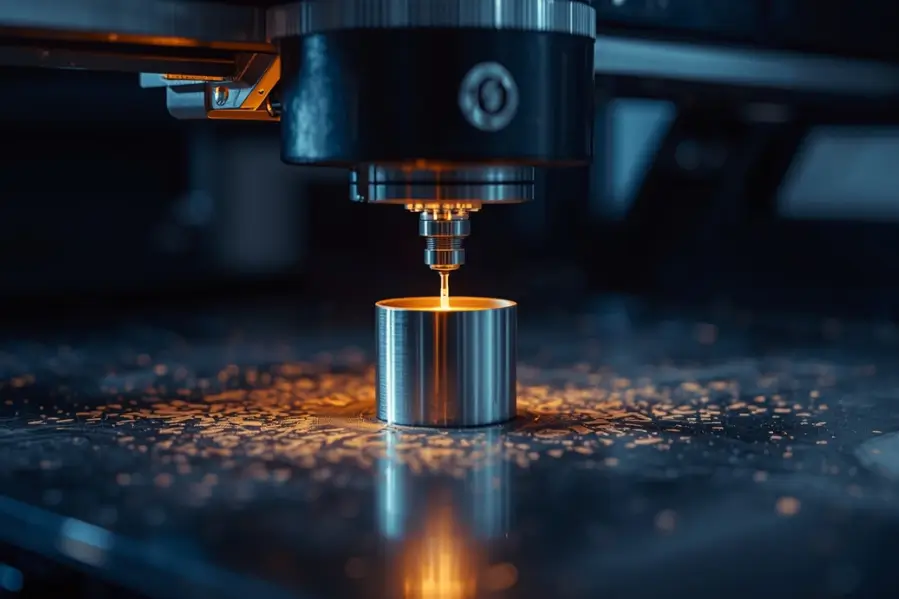

Flat materials are easy to laser cut. Cylinders are not. Whether you are working on bottles, pipes, tumblers, or tubes, the curved surface changes how the laser interacts with the material.
That is why many beginners struggle with uneven cuts, distortion, or alignment issues. The good news is that with the right setup and approach, you can achieve clean and precise results on cylindrical objects.
Key Takeaways
- Laser cutting a cylinder requires rotation, not a fixed surface
- A rotary attachment is essential for accuracy
- Proper alignment and focus are critical
- Not all materials behave the same on curved surfaces
- Testing and calibration improve results significantly
What Does It Mean to Laser Cut a Cylinder?
Laser cutting a cylinder involves processing a curved surface instead of a flat sheet. Since the laser beam moves in straight lines, the object must rotate to ensure consistent cutting or engraving.
This is typically done using a rotary attachment, which spins the cylinder while the laser operates.
Can You Laser Cut a Cylinder Directly?
Yes, but only with the right equipment and setup.
Why it is not straightforward
Standard laser machines are designed for flat materials. Without rotation, the laser:
- Loses focus across the curve
- Produces uneven cuts
- Cannot maintain consistent depth
This is why a rotary system is required for proper results.
What Equipment Do You Need to Laser Cut a Cylinder?
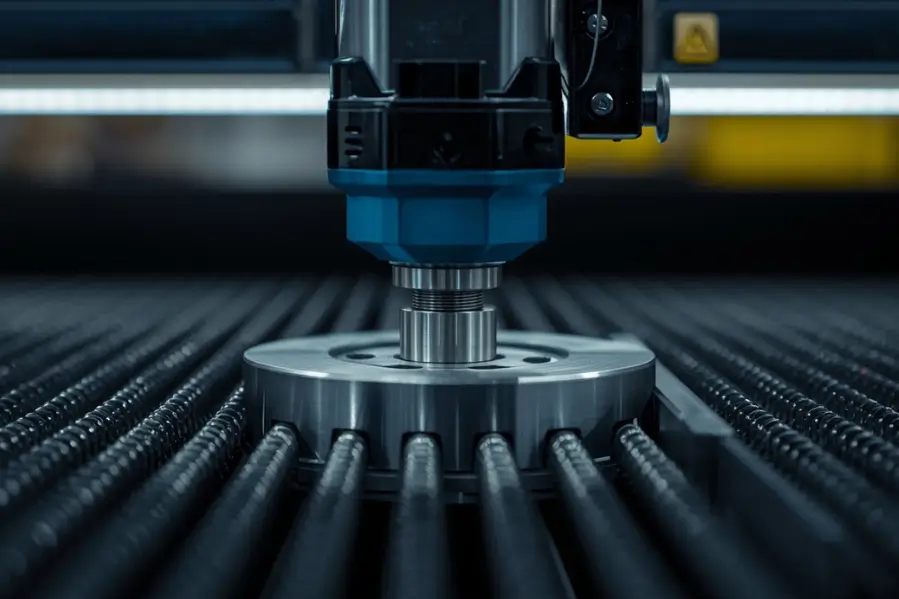
Essential tools:
- Laser cutting machine (CO2 laser preferred for most materials)
- Rotary attachment or rotary axis
- Proper holding fixtures or rollers
- Design software that supports rotary settings
Optional but helpful:
- Air assist system
- Alignment tools or guides
- Material-specific presets
Using the right setup makes a major difference in accuracy and finish quality.
How Does a Rotary Attachment Work?
A rotary attachment replaces the flat bed function by rotating the object in sync with the laser movement.
What it does:
- Spins the cylinder at a controlled speed
- Keeps the laser focused on one point of contact
- Allows designs to wrap around the surface
This ensures consistent engraving or cutting across the entire circumference.
How to Laser Cut a Cylinder Step by Step
Step 1: Prepare your design
- Create or import your design into the laser software
- Adjust dimensions to match the cylinder’s circumference
Step 2: Set up the rotary attachment
- Install the rotary device in your machine
- Secure the cylinder properly to avoid slipping
Step 3: Align the object
- Ensure the cylinder is level
- Check that it rotates smoothly without wobbling
Step 4: Adjust focus
- Set the laser focus to the highest point of the cylinder
- Maintain consistent focal distance
Step 5: Configure settings
- Enable rotary mode in your software
- Set correct diameter and rotation parameters
Step 6: Run a test
- Perform a small test engraving or cut
- Check alignment and depth
Step 7: Start the final job
- Monitor the process closely
- Ensure smooth rotation throughout
What Materials Work Best for Cylinder Laser Cutting?
Some materials perform better than others:
- Acrylic cylinders
- Glass bottles (engraving only)
- Coated metals (marking)
- Wood dowels or tubes
- Leather wrapped items
Materials like polycarbonate or certain plastics may not produce clean results.
Common Challenges and How to Solve Them
Uneven engraving or cutting
Cause: Misalignment or incorrect diameter settings
Solution: Recalibrate and remeasure the object
Slipping during rotation
Cause: Loose grip on rollers
Solution: Tighten the rotary attachment and balance the object
Distorted design
Cause: Incorrect circumference calculation
Solution: Double check diameter and scaling
Burn marks or overheating
Cause: High power or slow speed
Solution: Adjust laser settings and use air assist
Cylinder Laser Cutting vs Flat Laser Cutting
| Feature | Cylinder Cutting | Flat Cutting |
|---|---|---|
| Surface Type | Curved | Flat |
| Equipment Needed | Rotary attachment | Standard bed |
| Complexity | Higher | Lower |
| Precision Control | Requires calibration | Easier |
| Use Cases | Bottles, tubes, mugs | Sheets, panels |
What Are the Best Use Cases for Cylinder Laser Cutting?
Laser cutting and engraving cylinders is widely used in:
- Custom drinkware and tumblers
- Industrial pipes and tubes
- Promotional products
- Decorative items
- Packaging and branding
These applications benefit from the ability to wrap designs around the object.
How Can You Improve Your Results?
To get professional quality results:
- Always measure diameter accurately
- Use high quality rotary attachments
- Keep the surface clean before cutting
- Optimize speed and power settings
- Run test jobs before final production
Consistency comes from practice and fine tuning.
Get Better Results with the Right Setup
For precise cylinder cutting and engraving, having the right machine and rotary system is essential. Thunder Laser USA offers laser machines that support rotary attachments and deliver reliable, high quality results across a range of materials.
Explore their solutions to take your laser projects to the next level.
Final Thoughts
Laser cutting a cylinder may seem complex at first, but with the right tools and setup, it becomes a straightforward process. The key is understanding how rotation, alignment, and material behavior affect the outcome.
Once you master the basics, you can unlock a wide range of creative and professional applications.
Related Read:
- Can You Laser Engrave Slate?
- Can You Laser Engrave Stainless Steel?
- Can You Laser Cut Polycarbonate?
- Can You Laser Engrave Ceramic Mugs?
Frequently Asked Questions
Can you laser cut a pipe?
Yes, but it requires a rotary attachment to rotate the pipe during cutting.
Is a rotary attachment necessary?
Yes, it ensures proper alignment and consistent results on curved surfaces.
Can you engrave and cut at the same time?
Yes, depending on the material and machine settings.
What is the best laser type for cylinders?
CO2 lasers are commonly used for materials like wood, acrylic, and glass.
Can beginners laser cut cylinders?
Yes, with proper setup and practice, beginners can achieve good results.
How do you calculate the wrap design size?
Use the formula: circumference equals diameter multiplied by pi.
Is cylinder laser cutting safe?
Yes, as long as you follow safety guidelines and use proper ventilation.