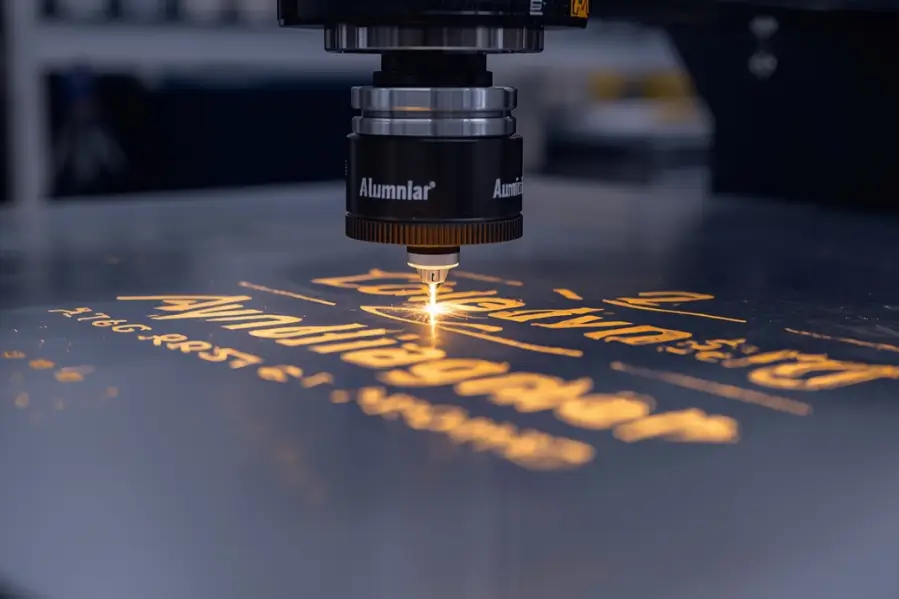

Aluminum is one of the most widely used metals today. It is found in tools, electronics, signage, nameplates, and industrial components. As desktop laser engravers become more popular, many people ask a simple but important question. Can a diode laser engrave aluminum?
The short answer is yes, but with limitations. This article explains what diode lasers can and cannot do on aluminum, how professionals get good results, and when another laser type may be a better choice
What does it mean to engrave aluminum with a diode laser?
Engraving aluminum means creating a permanent visible mark on the metal surface. With a diode laser, engraving usually refers to surface marking rather than deep material removal.
Common results include
- High contrast surface marks
- Color change or oxidation marks
- Marking through coatings or anodized layers
Unlike fiber lasers, diode lasers usually do not engrave aluminum deeply. Instead, they modify the surface in a controlled way that still looks professional for many applications.
Why is aluminum difficult for diode lasers?
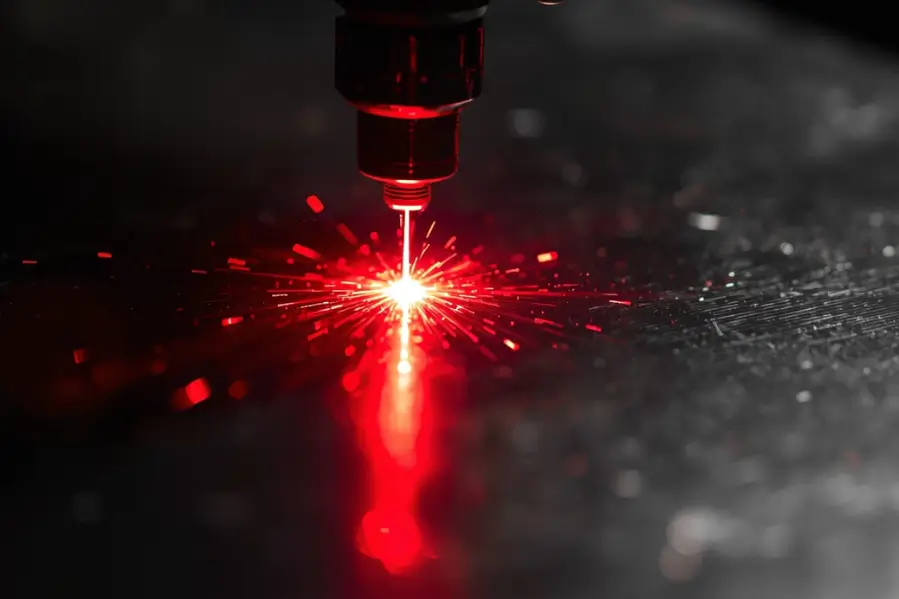
Aluminum has physical properties that make it challenging for low power lasers.
Key reasons include
- High reflectivity that bounces laser light away
- Excellent heat dissipation that spreads heat quickly
- A relatively high melting point compared to wood or plastic
Because of this, diode lasers struggle to remove raw aluminum material directly.
Can a diode laser engrave bare aluminum directly?
Yes, but the results are limited.
What you can expect
Light surface discoloration
Low contrast markings
No noticeable depth
What you usually will not get
Deep engraving
Strong tactile marks
Long term durability in harsh conditions
This is why most professionals do not rely on direct diode engraving for bare aluminum.
What is the best way to engrave aluminum with a diode laser?
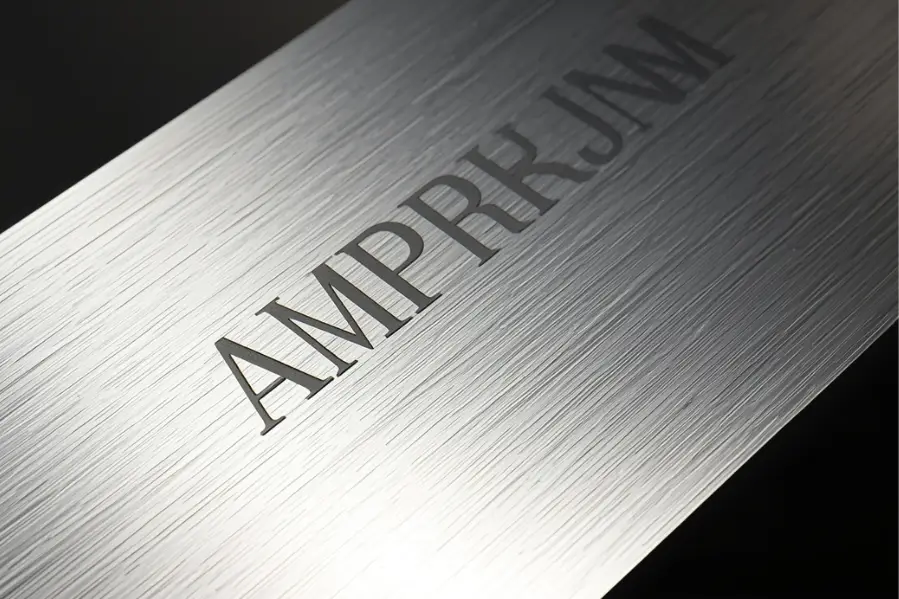
The best method depends on the aluminum surface and the final result you want. Based on real world use, there are three proven methods that deliver reliable results.
How does engraving anodized aluminum work with a diode laser?
Engraving anodized aluminum is the most effective and reliable method when using a diode laser.
Anodized aluminum has a dyed oxide layer on its surface. When the laser passes over it, the laser removes the colored layer and exposes the bright aluminum underneath. This creates sharp, high contrast markings without cutting into the metal itself.
This method works especially well because the laser interacts with the coating rather than raw aluminum.
Best uses include
- Business cards
- Nameplates
- QR codes
- Control panels
- Product labels
Why this method works so well
- Excellent contrast
- Fast engraving speeds
- Works with low power diode lasers
- No sprays or chemicals required
Can laser marking sprays be used on aluminum?
Yes. Laser marking sprays are one of the most reliable ways to engrave raw aluminum with a diode laser.
A marking spray is applied to the aluminum surface before engraving. When the laser heats the coating, it permanently bonds to the metal and creates a dark, durable mark.
This method is widely used in commercial and industrial environments.
Best uses include
- Logos and branding
- Tool marking
- Industrial labels
- Serial numbers
Advantages
- High contrast permanent marks
- Works on untreated aluminum
- Resistant to heat and wear
Disadvantages
- Added material cost
- Extra preparation and cleanup
Can a diode laser engrave aluminum without sprays or anodizing?
Yes, but results are visual rather than physical.
In this method, the laser slightly discolors or oxidizes the aluminum surface instead of engraving deeply. The mark is visible but has little or no depth.
Best conditions for this method
- Matte or sandblasted aluminum
- Higher power diode lasers
- Slow speeds and multiple passes
Limitations
- Low contrast
- No physical depth
- Not suitable for long term commercial durability
This method is best for experimentation or non critical markings.
What diode laser power is needed to engrave aluminum?
Power helps, but technique matters more.
| Diode Laser Power | Aluminum Capability |
|---|---|
| 5W to 7W | Anodized aluminum only |
| 10W | Anodized and light spray marking |
| 20W | Reliable spray marking |
| 40W or higher | Best diode results, still surface level |
A well tuned lower power laser on anodized aluminum can outperform a higher power laser on raw aluminum.
Diode laser vs fiber laser for aluminum engraving
This comparison helps set realistic expectations.
| Feature | Diode Laser | Fiber Laser |
|---|---|---|
| Cost | Low | High |
| Raw aluminum engraving | Limited | Excellent |
| Engraving depth | Surface only | Deep engraving |
| Speed | Moderate | Very fast |
| Best use case | Small businesses and makers | Industrial production |
Fiber lasers are better for heavy production, but diode lasers are often sufficient for light commercial work.
What are real world uses for diode laser aluminum engraving?
Common applications include
- Engraved anodized business cards
- Custom aluminum tags
- Tool identification labels
- Control panel markings
- Promotional products
Many small businesses successfully sell diode laser engraved aluminum products online.
What are the pros and cons of diode laser engraving on aluminum?
Pros
- Affordable entry cost
- Excellent results on anodized aluminum
- Compact and low maintenance
- Suitable for home workshops
Cons
- Limited performance on raw aluminum
- No deep engraving
- Slower than fiber lasers
- Often requires coatings
How can you get the best results engraving aluminum?
Follow these proven steps.
- Use anodized aluminum whenever possible
- Clean the surface with isopropyl alcohol
- Use slow speeds and high power
- Run multiple passes
- Use marking sprays for raw aluminum
- Ensure precise laser focus
Most issues come from unrealistic expectations rather than poor equipment.
Is diode laser engraving aluminum worth it today?
Yes, if you understand the limits.
Diode lasers are not a replacement for fiber lasers. However, they allow creators, workshops, and small businesses to engrave aluminum professionally without large upfront costs.
You may also find these laser engraving guides helpful
If you are exploring what materials can and cannot be engraved with a diode or other laser types, these related guides may also be useful. They cover similar engraving challenges, material behavior, and best practices across different surfaces.
You may find these articles helpful:
- Can you laser engrave stainless steel and what methods work best
- Can you laser engrave copper and why coatings are often required
- Can you laser engrave titanium and how color marking works
- Can you laser engrave granite
- Can you laser engrave tempered glass
- Can you laser engrave rubber
These guides help you understand how different materials react to laser engraving and which laser type is best suited for each use case.
Frequently Asked Questions
Can a 20W diode laser engrave aluminum?
Yes. A 20W diode laser can engrave aluminum, but mainly through surface marking rather than deep engraving. It works very well on anodized aluminum and produces reliable results on raw aluminum when laser marking sprays are used.
Can you etch aluminum with a diode laser?
Yes. You can etch aluminum with a diode laser, but the etching is usually shallow and surface level. Diode lasers work best on anodized aluminum or when used with marking sprays, while direct etching on bare aluminum produces limited depth and contrast.
Can a 40W diode laser cut aluminum?
No. A 40W diode laser cannot cut aluminum. Diode lasers do not have the wavelength or energy density required to cut metal. They can engrave or mark aluminum at the surface level, but cutting aluminum requires a fiber laser, CO2 laser with assist methods, or mechanical cutting tools.
Can a 10W diode laser engrave anodized aluminum?
Yes. A 10W diode laser can engrave anodized aluminum very effectively. It removes the anodized color layer to create sharp, high contrast markings without cutting into the metal, making it ideal for labels, tags, and detailed designs.
What metals can a diode laser engrave?
A diode laser can engrave anodized aluminum, coated metals, and stainless steel, brass, or copper when marking sprays are used. It can also surface mark titanium, but it cannot deeply engrave or cut bare metals.
Can a diode laser engrave raw aluminum permanently?
Yes, but results are surface marks unless coatings or sprays are used.
Is fiber laser engraving better than diode for aluminum?
Yes, especially for depth and speed, but fiber lasers cost significantly more.