
If you are working on signs, displays, or custom designs, plexiglass is one of the most popular materials you will come across. It is clear, lightweight, and easy to shape. But the real question is whether it works well with laser cutting.
The good news is that plexiglass is actually one of the best materials for laser cutting. When done correctly, it produces smooth, polished edges that often need no finishing.
Key Takeaways
- Plexiglass can be laser cut easily and cleanly
- It produces smooth, flame polished edges
- It is ideal for signs, displays, and decorative work
- Proper settings are important to avoid melting or haze
- It performs much better than polycarbonate in laser cutting
What Is Plexiglass and How Is It Different from Acrylic?
Plexiglass is a brand name often used interchangeably with acrylic, specifically PMMA which stands for polymethyl methacrylate.
In most cases, plexiglass and acrylic refer to the same type of material. However, quality can vary depending on how it is manufactured.
Types of plexiglass:
- Cast acrylic
- Extruded acrylic
Cast acrylic generally produces better laser cutting results with clearer edges.
Can You Laser Cut Plexiglass?
Short answer
Yes, plexiglass is one of the best materials for laser cutting.
Why it works so well
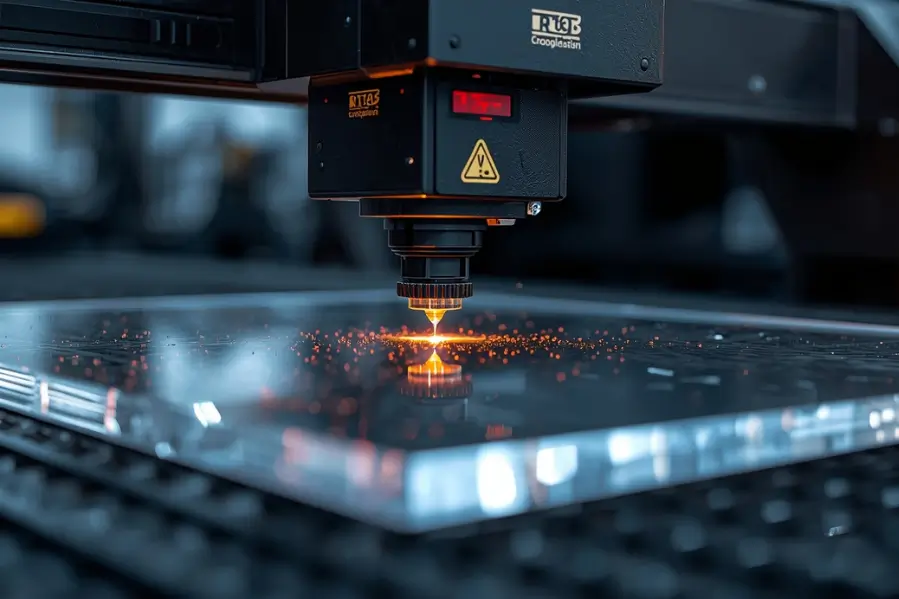
Plexiglass reacts differently to heat compared to polycarbonate. Instead of melting unevenly, it vaporizes cleanly when exposed to a laser beam. This creates:
- Smooth edges
- Clear, polished finish
- Minimal residue
This is why it is widely used in industries like signage, awards, and interior design.
What Are the Benefits of Laser Cutting Plexiglass?

1. Clean and polished edges
Laser cutting produces a glossy edge that often looks like it has been polished.
2. High precision
You can achieve very detailed designs, including fine engravings and intricate shapes.
3. No physical contact
Since the laser does not touch the material, there is less risk of cracking or chipping.
4. Versatility
It works well for both cutting and engraving applications.
What Are the Downsides of Laser Cutting Plexiglass?
While plexiglass is ideal, there are still a few limitations:
- It can produce fumes, so ventilation is needed
- Extruded acrylic may result in slightly less clear edges
- Incorrect settings can cause melting or edge flare
These issues are manageable with proper setup and experience.
What Settings Are Best for Laser Cutting Plexiglass?
Here are general guidelines:
- Use moderate power and consistent speed
- Focus the laser properly for clean cuts
- Use air assist to reduce flare and residue
- Keep protective film on to avoid scratches
Always test settings on scrap material before cutting your final piece.
Laser Cutting Plexiglass vs Other Materials
| Material | Edge Quality | Ease of Cutting | Finish Quality | Best Use |
|---|---|---|---|---|
| Plexiglass | Excellent | Easy | Glossy | Signs and displays |
| Polycarbonate | Poor | Difficult | Burnt | Not recommended |
| Wood | Good | Easy | Charred edge | Crafts and furniture |
| Glass | Not suitable | Difficult | Cracks | Use engraving only |
What Are Common Uses for Laser Cut Plexiglass?
Plexiglass is widely used because of its clean finish and versatility:
- Business signage
- LED light panels
- Awards and trophies
- Decorative wall art
- Protective covers and shields
- Custom branding pieces
These applications benefit from its clarity and polished edges.
How Does Plexiglass Compare to Polycarbonate for Laser Cutting?
Plexiglass is far superior for laser cutting.
- Plexiglass vaporizes cleanly and gives smooth edges
- Polycarbonate melts and produces rough, burnt cuts
- Plexiglass maintains clarity
- Polycarbonate often discolors
This is why professionals almost always choose plexiglass over polycarbonate for laser projects.
Get Better Results with the Right Setup
For clean, professional laser cutting, choosing the right machine and materials is key. Thunder Laser USA offers reliable laser systems designed to deliver precise cuts on laser-friendly materials like plexiglass.
Explore their machines to upgrade your cutting results and avoid costly mistakes.
Final Thoughts
Plexiglass is one of the best materials you can choose for laser cutting. It delivers clean edges, high precision, and a professional finish with minimal effort.
If you want consistent, high quality results, plexiglass combined with the right laser setup is a proven and reliable choice.
Related Read:
Frequently Asked Questions
Can a CO2 laser cut plexiglass?
Yes, CO2 lasers are ideal for cutting plexiglass and produce excellent results.
Does plexiglass melt when laser cut?
It softens briefly but vaporizes cleanly, resulting in smooth edges.
What thickness of plexiglass can be laser cut?
Most machines can cut several millimeters thick sheets, depending on power.
Is cast or extruded plexiglass better?
Cast acrylic produces clearer and smoother edges when laser cut.
Do you need to polish plexiglass after cutting?
Usually no, as the edges come out polished directly from the laser.