
A laser etching machine is not just a tool—it directly impacts your:
- Product quality
- Production speed
- Business profitability
Choosing the wrong machine can lead to slow output, poor engraving quality, and costly downtime. As highlighted in your original content , investing in a reliable machine is often what separates a basic shop from a scalable custom product business.
What is a laser etching machine and how does it work?
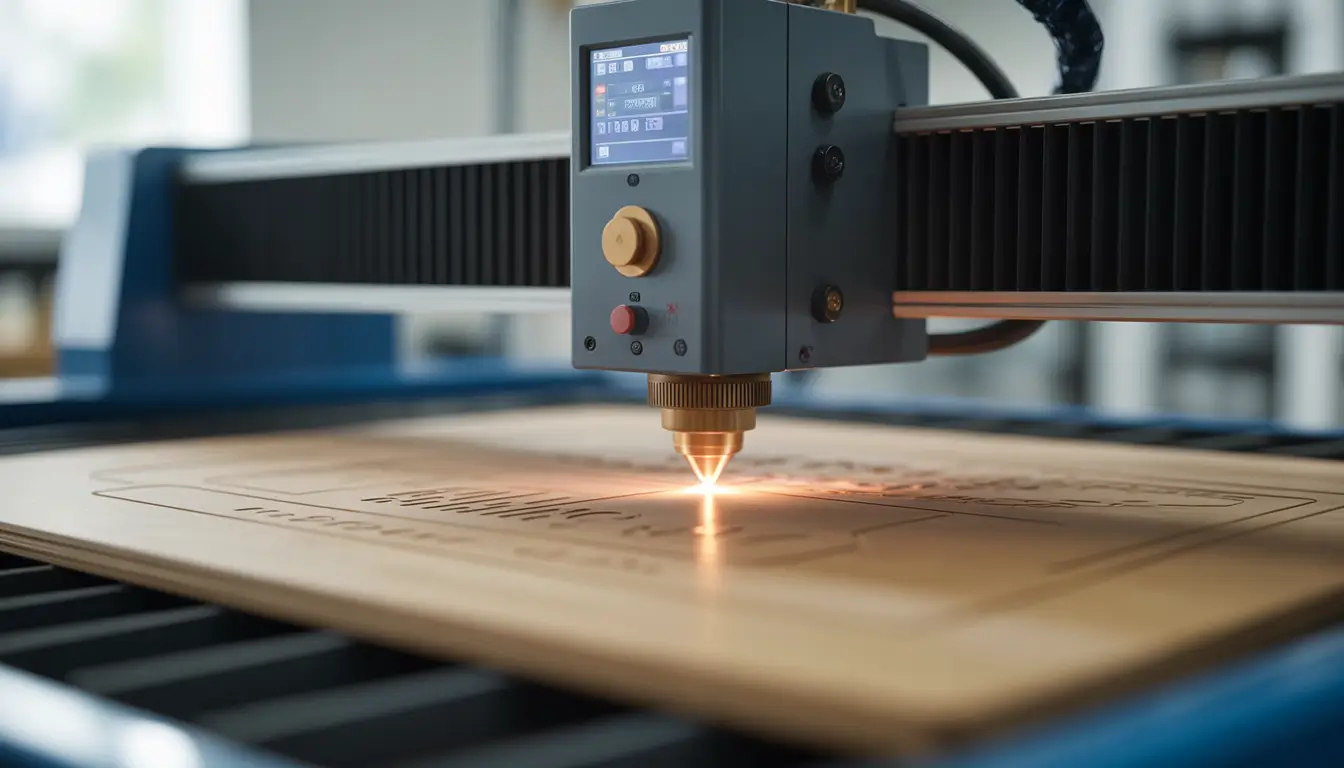
A laser etching machine uses a focused beam (usually CO₂) to slightly remove the top layer of a material, creating a precise design.
It works on:
- Wood
- Glass
- Leather
- Acrylic
- Coated metals
Unlike engraving, etching is surface-level and faster, making it ideal for detailed designs and high-volume work.
What are the key factors to consider when buying a laser etcher?
1. What laser power (wattage) do you need?
Laser power determines:
- Speed
- Material compatibility
- Depth capability
General guideline:
| Wattage | Best For |
|---|---|
| 40W–60W | Basic etching (wood, leather, glass) |
| 60W–100W | Faster production + light cutting |
| 100W+ | Heavy-duty work + thick materials |
For most users, 60W is a practical starting point.
2. What bed size should you choose?
Bed size defines how much you can engrave at once.
| Bed Size | Use Case |
|---|---|
| Small (600×400 mm) | Hobbyists, small items |
| Medium | Small businesses |
| Large (1000mm+) | Bulk production |
Pro tip:
A larger bed lets you engrave multiple items in one run, increasing efficiency.
3. How important is machine quality and durability?
Very important.
A high-quality machine:
- Runs longer without failure
- Produces consistent results
- Reduces maintenance costs
Look for:
- Strong frame build
- Reliable laser tube
- Quality mirrors and lenses
4. What safety features should a laser machine have?
Laser machines use high-energy beams, so safety matters.
Essential features:
- Fully enclosed design (Class I recommended)
- Emergency stop button
- Proper ventilation system
Organizations like Food and Drug Administration classify safe laser systems to reduce exposure risks.
5. Is software compatibility important?
Yes—this is often overlooked.
Your machine should work with:
- LightBurn
- RDWorks
Good software ensures:
- Easy design transfer
- Better control over engraving
- Faster workflow
6. Why does customer support matter?
Laser machines require:
- Setup guidance
- Occasional troubleshooting
- Maintenance support
Poor support can lead to:
- Downtime
- Lost revenue
Choose brands known for responsive technical support.
7. What parts affect long-term performance?
Two critical components:
- Laser tube → typically lasts ~3,000 hours
- Reflective lenses/mirrors → need periodic replacement
High-quality components = better lifespan + consistent output
What are the best business opportunities with laser etching?
Laser etching is a high-demand customization business.
Popular niches:
- Personalized gifts (weddings, anniversaries)
- Custom signage
- Corporate branding products
- Jewelry engraving
Platforms like Etsy and Pinterest show massive demand for custom engraved products.
How profitable is a laser engraving business?
| Factor | Estimate |
|---|---|
| Machine cost | $2,000 – $8,000+ |
| Cost per item | Low |
| Selling price | $10 – $100+ |
| Profit margin | 60%–80% |
High margins come from low material cost + high perceived value
What mistakes should you avoid when buying a laser machine?
- Choosing the cheapest option
- Ignoring bed size limitations
- Overlooking software compatibility
- Skipping safety features
- Not considering support quality
Final Thoughts
Choosing the best laser etching machine comes down to balancing power, size, quality, and scalability.
If your goal is:
- Hobby use → start small
- Business growth → invest in quality + larger bed
As your original article emphasized , the right machine isn’t just a purchase—it’s a long-term investment in your production and brand growth.