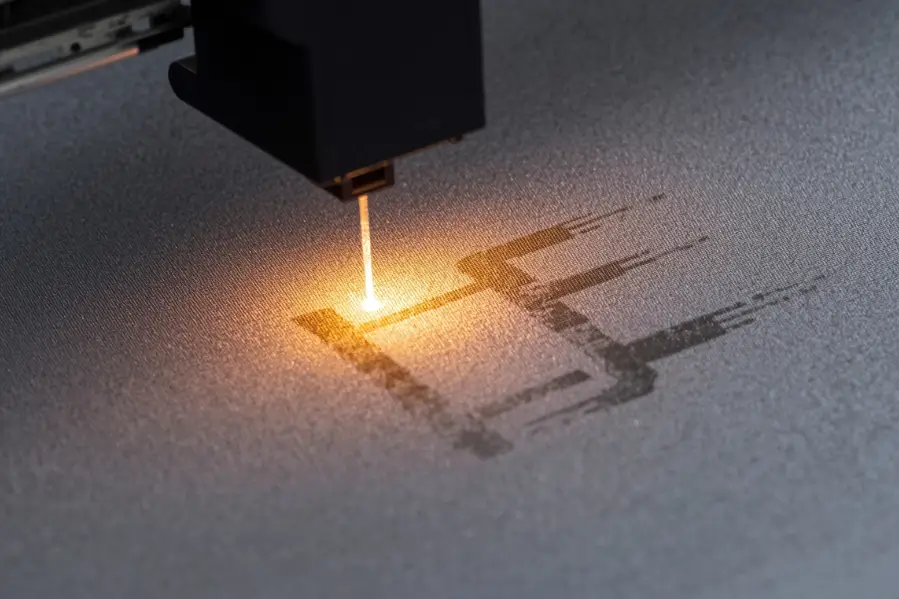

Soft materials like leather, fabric, foam, and softwoods can be laser engraved if you use lower power, faster speeds, and in some cases shorter wavelength lasers such as green or UV. These settings prevent burning or melting and produce sharp, readable results.
Unlike harder surfaces such as metal or hardwood, soft materials absorb heat quickly, so they need careful control. Manufacturers often use shorter wavelength lasers, sometimes called cold lasers, because they generate less heat and allow for precise marking on delicate surfaces.
This guide explains the best methods, laser settings, and techniques for engraving soft materials while keeping detail and contrast intact.
What Counts as Soft Materials in Laser Engraving
Soft materials are surfaces that require lower power and precise settings. Common examples include:
- Leather (natural or synthetic)
- Fabric (cotton, felt, denim, polyester blends)
- Foam (EVA, craft foam, packaging foam)
- Softwood (pine, cedar, balsa)
Each reacts differently to laser energy, so testing and adjustment are critical.
Choosing the Right Laser for Soft Materials
Different laser types work differently on soft surfaces. Shorter wavelengths, such as green and UV, reduce heat impact, while CO₂ lasers are widely used for wood, leather, and fabric with the right settings.
| Laser Type | Wavelength | Best For | Key Advantage |
|---|---|---|---|
| CO₂ Laser | 10,600 nm | Leather, fabric, wood, foam | Common and versatile, works well with soft organic materials |
| Green Laser | 532 nm | Plastics, delicate surfaces | Produces less heat, higher precision |
| UV Laser | 355 nm | Very sensitive materials, coatings | Cold marking with minimal surface damage |
Why Soft Materials Are Challenging
Soft materials react quickly to heat, which makes them more difficult to engrave than harder surfaces. The table below highlights the main challenges and risks for each material.
| Material | Main Challenge | Risk During Engraving |
|---|---|---|
| Leather | Scorches easily | Smoke stains and uneven marks |
| Fabric | Frays or curls at edges | Loss of detail and weak edges |
| Foam | Overheats quickly | Melting, fumes, and surface warping |
| Softwood | Engraves lightly | Uneven contrast compared to hardwoods |
Recognizing these challenges makes it easier to adjust laser settings and achieve cleaner results.
Techniques for Different Materials
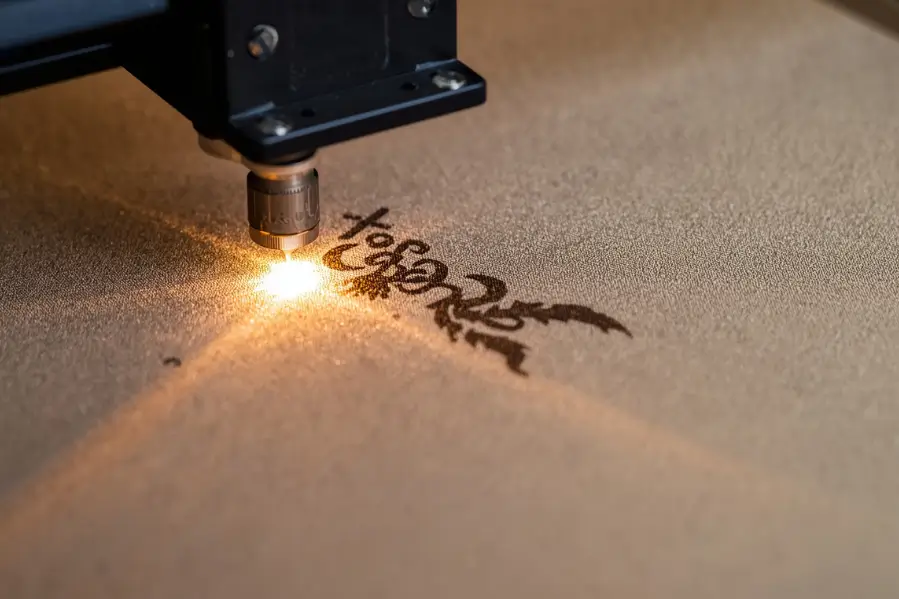
Each soft material reacts differently to laser energy, so the right approach depends on whether you are engraving leather, fabric, foam, or softwood. The following techniques explain how to handle each one for the best results
1. Engraving Leather for Clean Results
Leather engraves well if prepared correctly. Clean the surface before engraving and apply masking tape to minimize smoke marks. After engraving, apply a leather conditioner to restore smoothness and highlight contrast.
2. Engraving Fabric for Sharp Edges
Fabric is delicate and needs support during engraving. Secure it tightly and place cardboard or masking tape underneath to prevent fraying and keep edges sharp.
3. Engraving Foam for Smooth Cuts
Foam reacts quickly to heat. Use multiple light passes instead of one deep cut. Always ventilate the workspace to remove fumes.
4. Engraving Softwood for Strong Contrast
Softwoods like pine or cedar engrave lighter than hardwoods. To improve results, select resin-rich pieces that naturally give better contrast and avoid over-sanding.
Quick Settings Guide for Soft Materials
| Material | Power Setting | Speed Setting | Best Practice |
|---|---|---|---|
| Leather | Low to medium | Medium to high | Use masking to limit smoke marks |
| Fabric | Very low | High | Back with tape or cardboard to prevent fraying |
| Foam | Low | Medium | Use light passes and ensure good ventilation |
| Softwood | Low to medium | Medium | Resin-rich woods engrave darker and cleaner |
Beyond adjusting power and speed, following a few best practices will further improve the quality and consistency of your engravings.
Expert Tips for Better Results

Do’s
- Maintaining a clean lens is essential for precision control and consistent results
- Apply masking tape to reduce burns and smudges
- Maintain proper ventilation when working with foam or fabric
- Secure the material flat to prevent shifting during engraving
Don’ts
- Do not use high power on delicate surfaces, which can scorch or melt them
- Do not ignore ventilation, especially when engraving foam that releases fumes
- Do not leave fabric or leather unsecured, as movement causes blurry marks
Common Mistakes and Fixes
| Problem | Cause | Solution | Prevention |
|---|---|---|---|
| Surface is scorched | Power too high | Lower power, increase speed | Test settings on scrap before engraving |
| Edges are fraying | Fabric heat damage | Use masking and backing material | Secure fabric tightly and use fast speed |
| Engraving is uneven | Inconsistent density | Use lighter passes instead of one deep pass | Adjust with multiple test passes |
| Foam melts or warps | Overheating | Reduce power and allow cooling between passes | Ventilate and avoid long continuous runs |
Safety Guide for Soft Material Engraving
Working with soft materials requires extra safety measures because of their sensitivity to heat and the fumes some of them release. Following these guidelines keeps both the operator and the project safe.
- Always engrave in a well-ventilated area to avoid inhaling smoke or fumes from foam, leather, or fabrics
- Wear protective eyewear when operating the laser and gloves when handling treated materials
- Do not engrave unknown plastics or foams since they may release toxic chemicals
- Keep a fire extinguisher nearby as soft materials can ignite if exposed to excess heat
- Allow engraved pieces to cool completely before handling to prevent warping or burns
- Regularly clean the work area and machine lens to ensure consistent performance and safe operation
Final Thoughts on Engraving Soft Materials
Engraving soft materials is not just about avoiding burns or mistakes—it also opens the door to new creative opportunities. From personalizing leather wallets and fabric products to cutting foam inserts or producing lightweight wooden designs, the range of applications is wide and versatile.
To achieve clean, sharp, and professional results, you need precise control over power, speed, and ventilation. With a reliable machine, you can engrave delicate surfaces confidently and expand your project possibilities.
At Thunder Laser USA, we design laser systems that give you this level of control. Our machines are built to handle both delicate and durable materials, so your engravings always deliver quality and consistency. Explore our range of laser engraving machines and take your projects to the next level.
Frequently Asked Questions
1. Can I laser engrave rubber?
Yes, you can laser engrave rubber, but it requires the right type of rubber and careful settings. Natural and laser-safe synthetic rubbers engrave well and can be used for stamps, gaskets, or custom designs. Always use proper ventilation, since some rubbers can release strong odors or harmful fumes when engraved.
2. Can you laser engrave cotton?
Yes, cotton can be laser engraved, but it requires very low power and high speed to avoid burning the fabric. The process creates a subtle mark by slightly discoloring the fibers, making it useful for patterns, logos, or decorative designs. Always test on scrap cotton first, since results vary with fabric thickness and weave.
3. Can you laser engrave nylon fabric?
Yes, nylon fabric can be laser engraved, but it requires careful settings to avoid burning or melting. Using low power with high speed produces light marks or patterns by slightly altering the surface fibers. Since nylon is heat-sensitive, always test on scrap material first and ensure proper ventilation to avoid fumes.