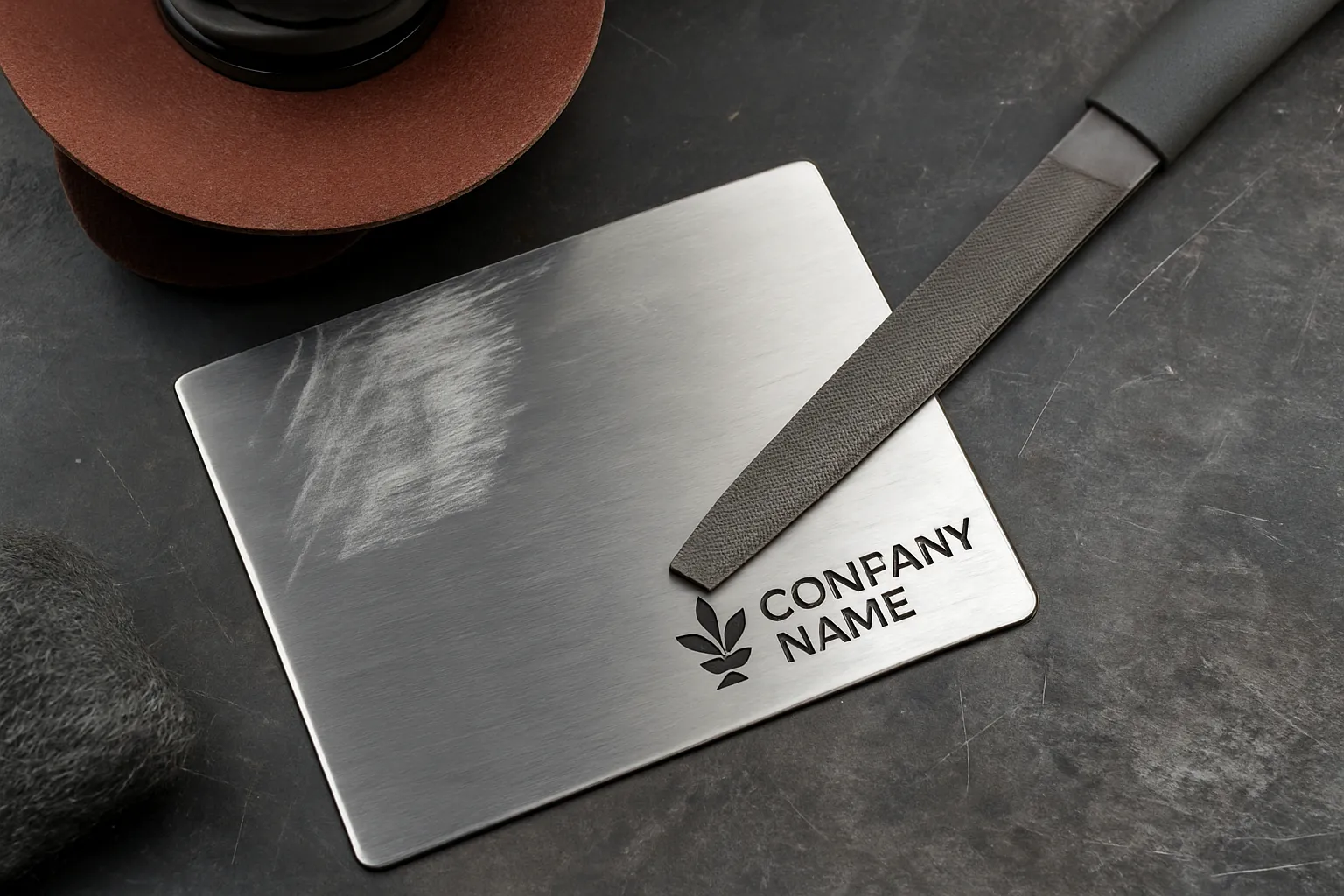

Laser engraving is designed to be permanent — but that doesn’t mean it’s impossible to remove. Whether you’ve made a mistake during engraving, want to rebrand a metal item, or need a clean slate for resale, there are several effective methods to remove laser engraving from metal.
Laser engraving removal involves mechanically or chemically altering the metal surface to erase or mask the engraved area. The best method depends on the type of metal, the depth of the engraving, and the desired final appearance.
Is It Possible to Remove Laser Engraving from Metal?
Yes, but with limitations. Unlike surface printing, laser engraving actually removes material or alters its surface properties (in the case of marking). That means “removal” typically involves:
- Polishing or sanding the surface flat again
- Filling and repainting powder-coated metals
- Etching or re-engraving over the original design
Keep in mind: some methods may not fully restore the original look, especially on high-polish or colored surfaces.
Common Use Cases for Removing Laser Engraving
- Fixing engraving errors or typos
- Rebranding company tools or equipment
- Repurposing custom metal gifts
- Preparing products for resale or refurbishment
Methods to Remove Laser Engraving from Metal
1. Mechanical Polishing (for Stainless Steel & Aluminum)
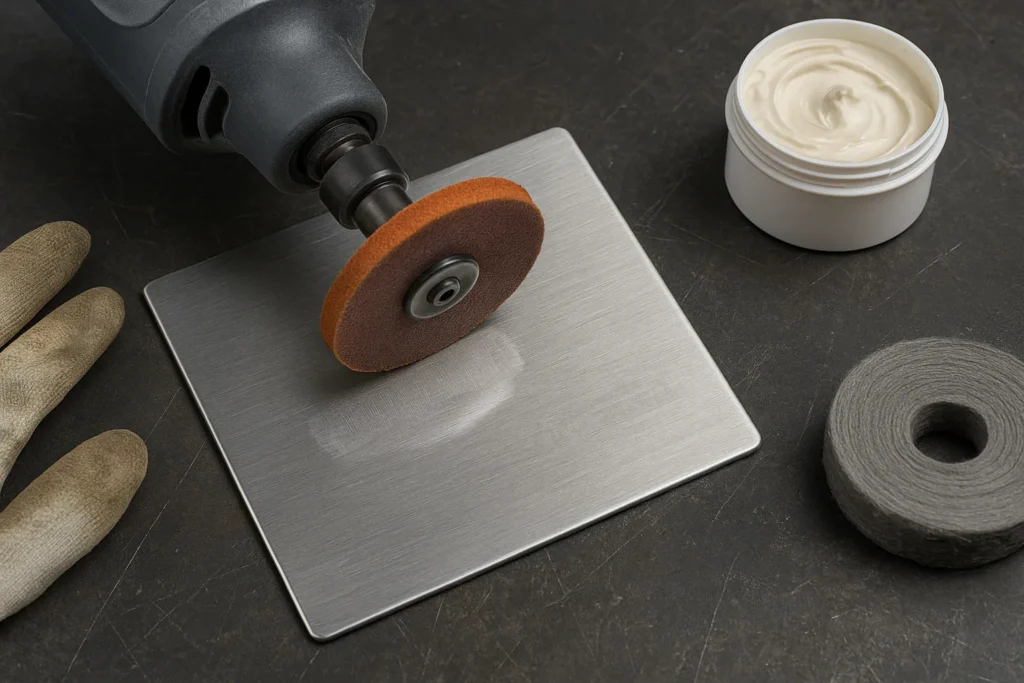
Polishing physically removes the top layer of the metal. It works best on light or shallow engravings.
Tools you’ll need:
- Rotary tool or angle grinder with a sanding/polishing pad
- Polishing compound or buffing wheel
- Protective gloves and eye protection
Steps:
- Clean the surface to remove dirt and oils
- Start with a coarse grit to even out the engraving
- Progressively use finer grits for a smooth finish
- Buff with a polishing compound to restore shine
Read Also: how to make rubber stamps on a thunder laser
2. Chemical Etching Removal (for Coated or Anodized Metals)
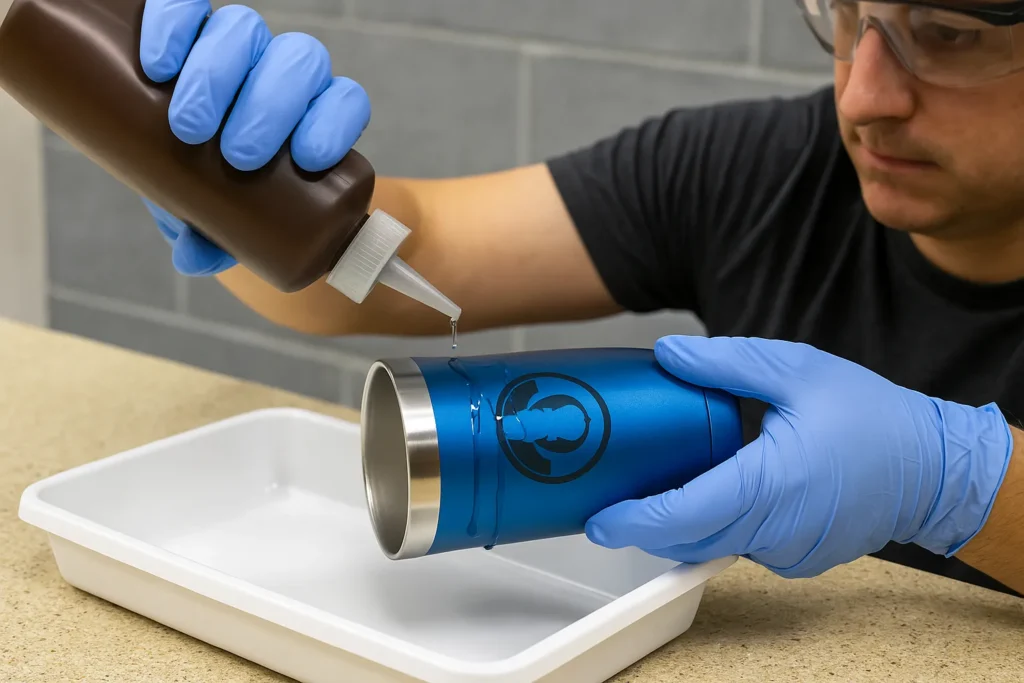
If the engraving was only surface-level (like color changes in anodized aluminum), you can sometimes chemically reverse or mask the engraving.
Examples:
- Anodized aluminum – Can be treated with caustic soda (sodium hydroxide) to strip anodization entirely
- Powder-coated metals – Can be repainted or recoated to cover the engraving
Warning: Chemical stripping can be hazardous. Always wear gloves, eye protection, and work in a ventilated area.
3. Laser Re-Engraving or Surface Repassivation
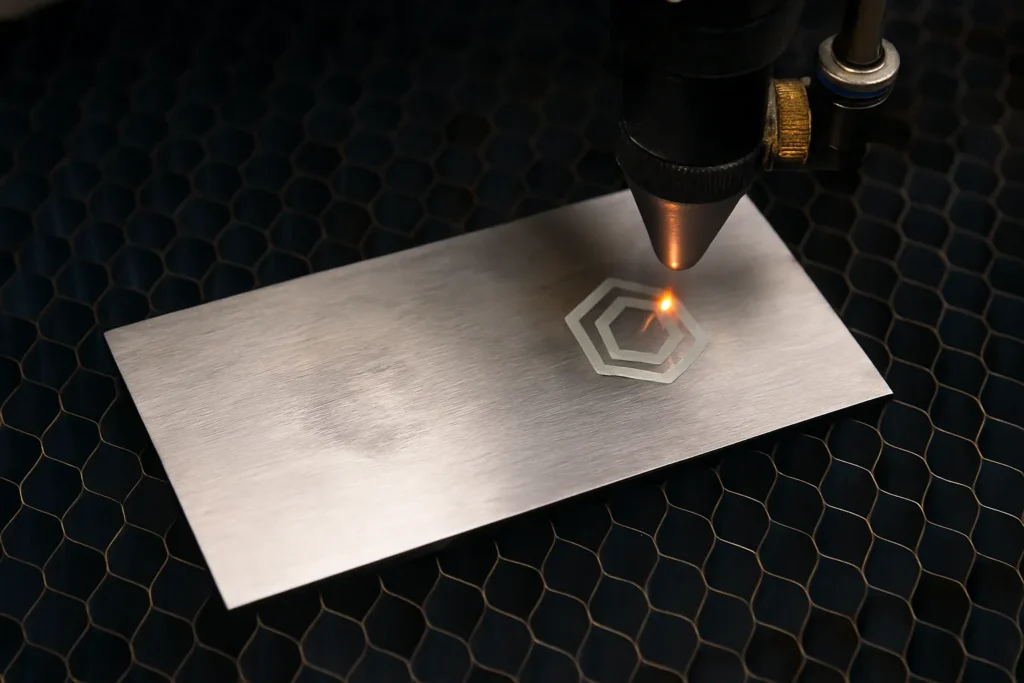
If you’re using a fiber or CO₂ laser, you can sometimes “erase” a laser engraving by:
- Re-engraving the surface to flatten and even it out
- Filling the area with a new design or logo
- Using passivation on stainless steel to blend in marking
Pro tip: If you originally used a Thunder Laser CO₂ system, ensure precise alignment using positioning tools before re-engraving.
4. Sanding and Surface Refinishing
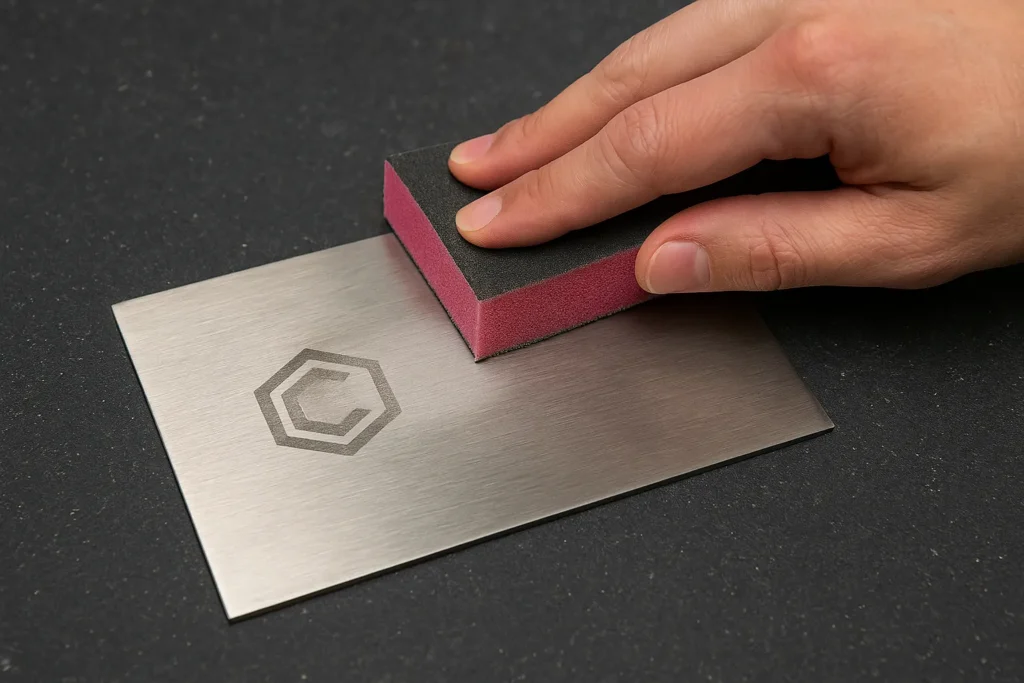
On brushed or matte metals, you can sand down the engraved section and blend it back into the rest of the surface using sanding blocks or abrasive pads.
Best for:
- Flat stainless steel plates
- Industrial tools
- Brushed aluminum surfaces
Steps:
- Use a fine grit (400–600) to avoid deep scratches
- Sand in the direction of the grain
- Finish with scouring pads for consistent texture
Can You Remove Deep Laser Engraving?
Not completely. If the engraving is deeply etched into the metal, physical removal may leave a dent or visible patch even after polishing. In these cases, the most practical option is to:
- Fill the engraving with welding or soldering
- Machine or sand it flush
- Apply a new finish or paint over it
Best Practices and Safety Tips
- Always test on a small area first before treating the whole engraving
- Avoid harsh chemicals unless trained or using proper PPE
- Do not use sanding on mirror-polished or reflective surfaces, you’ll ruin the finish
- Consider reusing the item with a new engraving if full removal isn’t necessary
Read Also: How to laser engrave safely at home
When Should You Leave It to a Professional?
If you’re dealing with:
- Expensive or delicate items (e.g., watches, jewelry)
- Engravings on curved surfaces
- Parts that require precise tolerances (e.g., tools or machinery)
It’s best to consult a metal restoration specialist or fabrication shop.
Conclusion: Can Laser Engraving Be Removed from Metal?
Laser engraving on metal is meant to last, but with the right tools, patience, and safety precautions, it can be removed, masked, or repurposed effectively.
If you’re working with laser machines, accurate engraving setups and rotary attachments can reduce the chance of mistakes in the first place, saving you from needing removal at all.
FAQs
Can I remove laser engraving with vinegar or household items?
No, vinegar or baking soda won’t remove actual laser engraving from metal.
Can a laser machine erase an engraving?
It can re-engrave or even out the surface in some cases, but not “erase” it like digital content.
Is sanding safe for all metals?
No. Avoid sanding polished, coated, or plated metals unless you plan to refinish them.
How do I avoid needing removal in the first place?
Use preview passes and framing features on your Thunder Laser machine. And always test your design on scrap material.