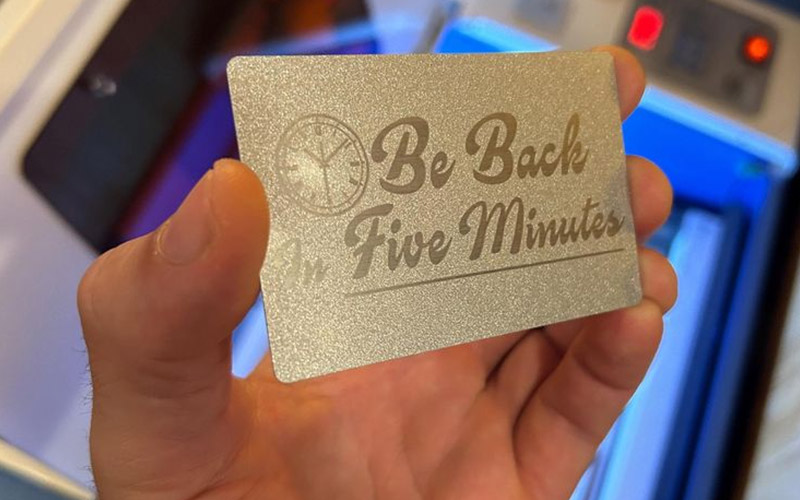

Laser engraving aluminum is a precise way to mark metal with text, logos, or patterns. It is used in many industries to create permanent and clear markings that don’t fade over time.
The process works by aiming a focused laser beam at the aluminum surface. This removes a thin layer of material to form the design. Even though aluminum handles heat differently than other metals, modern laser machines can engrave it with high accuracy.
This method is useful for both industrial and creative projects. From product labels to custom gifts, laser engraving on aluminum offers strong, detailed, and lasting results.
Fundamentals of Laser Engraving
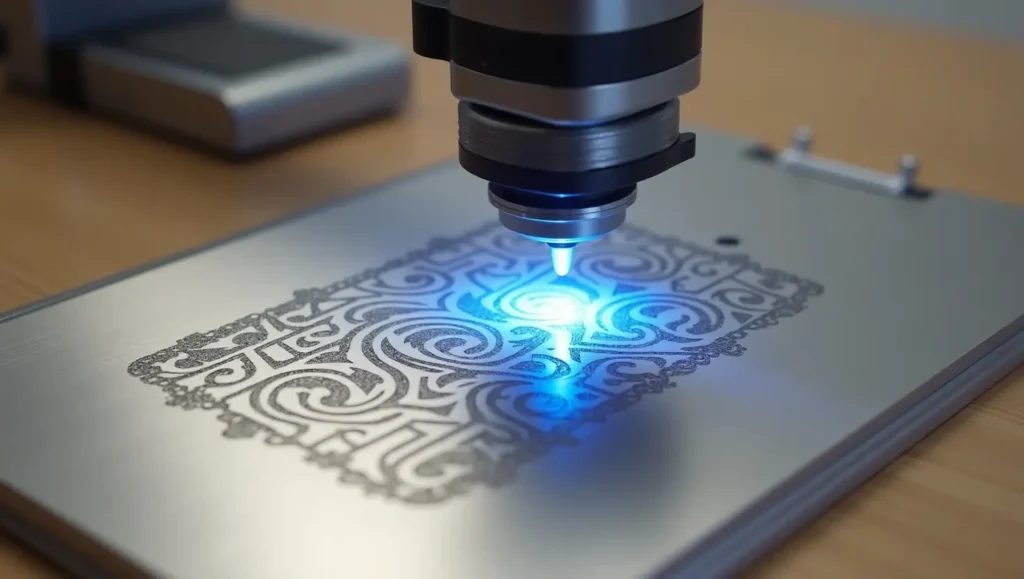
Laser engraving uses focused light to mark or etch materials with precision, making it ideal for detailed designs and custom projects.
1. Laser Engraver Technology
Laser engravers use focused beams of light to remove material and create detailed designs. The type of laser affects how it works. CO₂ lasers are best for non-metal materials like wood or acrylic, while fiber lasers are better for metals such as aluminum.
One key benefit of laser engraving is precision. The beam is very focused, allowing it to create fine lines and accurate shapes. This is important for tasks like marking serial numbers or logos on small parts.
Many modern laser engravers come with design software. This software helps users plan and control the engraving process, making the work faster and more accurate.
2. Types of Laser Engraving Machines
There are several types of laser engraving machines available in the market. Common categories include desktop, industrial, and portable units.
- Desktop Laser Engravers: Ideal for small projects and home use, these machines are compact and user-friendly.
- Industrial Laser Engravers: Designed for high-volume production, these machines offer advanced capabilities, including larger work areas and faster engraving speeds.
- Portable Laser Engravers: These versatile machines can be used on-site, making them useful for events and custom designs.
The choice of machine often depends on the engraving size, volume requirements, and specific materials being worked on.
3. Understanding Laser Parameters
Laser parameters play a pivotal role in the engraving process. Key factors include power, speed, and frequency.
- Power: Adjusting the power affects the depth and intensity of the engraving. Higher power settings create deeper marks, while lower power can achieve light surface etching.
- Speed: The speed at which the laser moves impacts the quality of the engraving. Slower speeds produce more detailed work, while faster speeds can increase production rates.
- Frequency: This refers to the number of laser pulses per second and affects the smoothness of the engraved surface.
Understanding these parameters allows for optimal settings tailored to specific projects, greatly enhancing the final output quality.
Preparation and Process
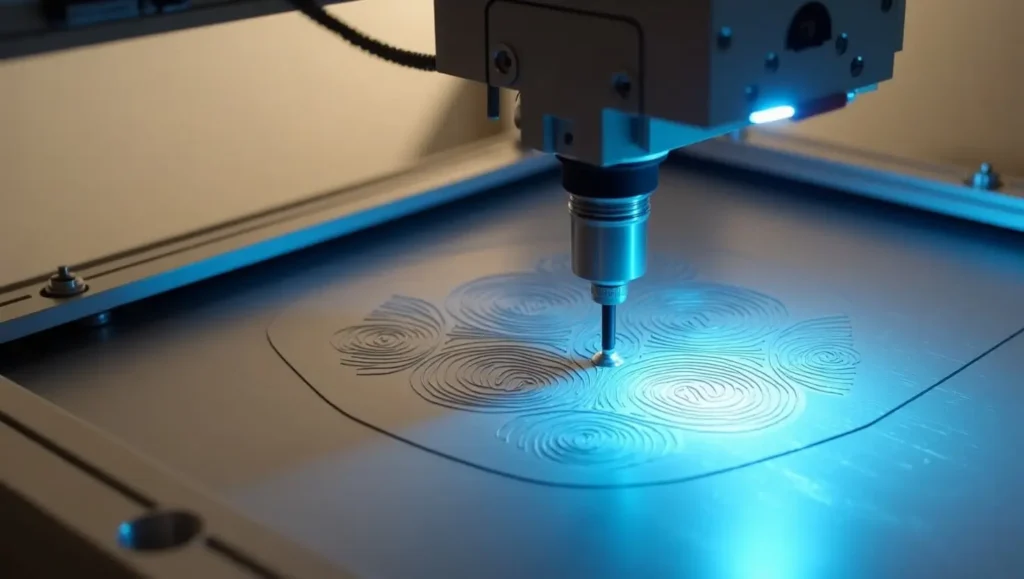
Preparing for aluminum laser engraving involves careful material selection, design considerations, and proper setup of the laser engraver. Attention to these details is crucial to achieve precise and high-quality results.
1. Material Selection: Anodized vs. Coated Aluminum
When choosing aluminum for engraving, the decision often lies between anodized and coated versions.
- Anodized Aluminum: This material has undergone an electrochemical process that enhances durability and corrosion resistance. It is ideal for precise engraving, as the anodized layer allows the laser to create fine details.
- Coated Aluminum: Coated aluminum features a paint or powder coating that can be removed during the engraving process. It offers a variety of colors, but the quality of engraving may vary based on the coating type and thickness.
Selecting the right material sets the foundation for successful engraving.
2. Artwork and Design Considerations
Design plays a pivotal role in the engraving process. Attention to detail ensures clarity and effectiveness in the final product.
- File Format: Use vector formats like SVG or DXF for the best results, as they maintain precision during scaling.
- Design Elements: Consider line thickness and engraving depth. Thicker lines may result in bolder engravings, while intricate designs may require a light touch to preserve detail.
- Test Engraving: Running a test on a scrap piece can help visualize the outcome and adjust parameters as needed.
The right design ensures that the engraving process translates well onto the material.
3. Setting Up the Laser Engraver
Proper setup of the laser engraver is crucial for achieving optimal results. Key steps include:
- Calibration: Ensure that the laser is accurately calibrated for both focus and power settings, as these directly affect the engraving quality.
- Speed and Power Settings: Adjust speed and power based on material thickness and desired depth. Higher power settings work well with anodized surfaces for quicker engraving.
- Material Placement: Position the aluminum securely on the workbed to prevent movement during engraving.
Following these setup steps helps ensure precision and consistency in the engraving process.
Applications of Laser-Engraved Aluminum
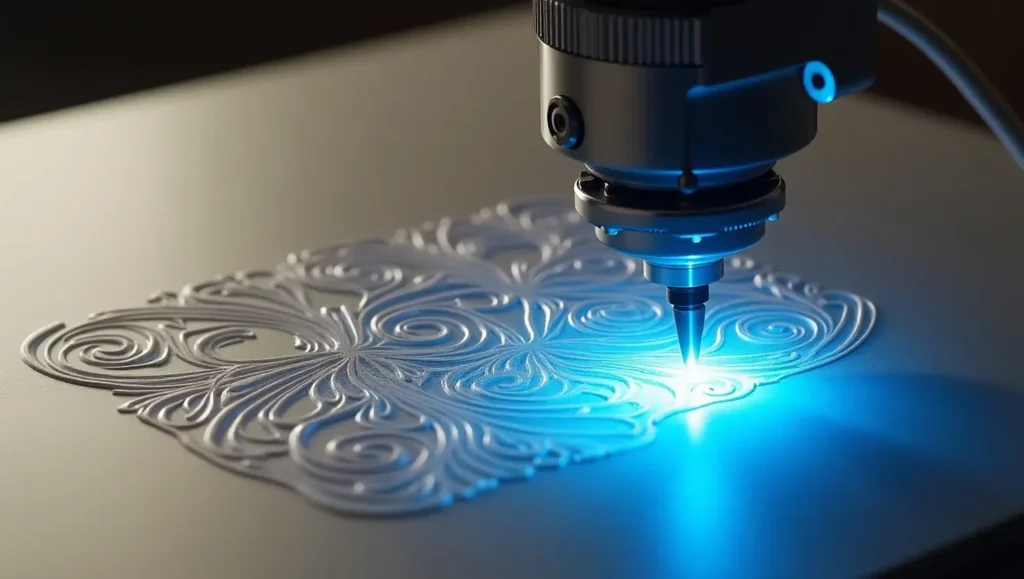
Laser-engraved aluminum serves various purposes across multiple industries. It provides a durable solution for identification, decoration, and functional marking, ensuring that the information is not only clear but also resistant to wear and tear.
1. Industrial Uses: Signs and Equipment Labeling
Laser engraving is widely used for creating signs and labeling equipment in industrial settings. The precision of laser engraving ensures that text and graphics are sharp and easily readable.
Common applications include safety signs, instructional labels, and equipment identification plates. These markings resist fading and wear, making them suitable for harsh environments.
Materials used are typically aluminum plates that can withstand extreme conditions, including exposure to chemicals and heavy machinery. The engraved information remains intact even after prolonged use.
2. Custom Decorations and Artwork
Custom decorations and artwork on aluminum have gained popularity in both personal and commercial spaces. Artists use laser engravers to create intricate designs, patterns, and images on aluminum surfaces.
This method allows for high levels of detail and customization, appealing to individual customers looking for unique items. Applications range from personalized gifts to decorative panels in homes or businesses.
The durability of the engravings ensures that artwork looks fresh and vibrant over time. The process can create both shallow and deep engravings, adding texture as well as visual appeal.
3. Functional Markings and Barcodes
Laser engraving also excels in creating functional markings such as barcodes, QR codes, and serial numbers. These engravings are essential for tracking products and managing inventory in various sectors.
The permanence of laser markings ensures that barcodes remain scannable throughout the product’s life cycle. This is crucial in industries like manufacturing and logistics, where accurate tracking is vital.
The ability to engrave directly onto products or packaging materials allows for versatility. As needs evolve in the marketplace, laser-engraved markings can adapt without compromising clarity or durability.
Finish and Post-Engraving Treatments
After completing laser engraving on aluminum, appropriate finishing and post-engraving treatments can enhance the quality and longevity of the work. Key considerations include cleaning, adding color for contrast, and applying protective coatings.
1. Cleaning and Maintenance
Proper cleaning is crucial after engraving. Residue from the engraving process can affect the final appearance. Using a soft cloth with mild soap and water is recommended.
For stubborn residue, applying isopropyl alcohol can be effective. It helps to preserve the engraved details without damaging the surface.
Routine maintenance should include regular dusting to prevent dirt from settling. Avoid using harsh chemicals that might scratch or dull the aluminum’s finish.
2. Color Filling and Contrast Enhancement
Color filling can significantly improve the visibility of engravings on aluminum. Options include using lacquers or specialized paints designed for metals.
Selecting colors that contrast well with the aluminum enhances readability. For example, black paint on a matte finish offers strong visibility.
It’s important to allow any paint or filler to dry completely before applying a protective coating. This step prevents smudging and maintains a clean appearance.
3. Protective Coatings for Durability
Applying a protective coating can extend the life of the engraved piece. Coatings such as clear lacquer or anodized finishes help resist corrosion and wear.
These coatings create a barrier against environmental elements that can lead to fading or discoloration.
A matte finish may appeal to those seeking a more subtle look. Meanwhile, a glossy finish can enhance the vibrancy of colors used in filling.
When selecting a coating, consider its compatibility with the aluminum and any colors used. Proper application ensures a durable, long-lasting finish.
Conclusion
Laser engraving aluminum offers a precise, durable, and professional solution for everything from industrial labels to custom artwork. With the right setup, materials, and laser parameters, you can achieve high-quality results that stand the test of time. Whether you’re engraving for function or design, mastering these techniques can unlock endless creative and commercial opportunities.
Looking to elevate your engraving projects?
Explore our range of powerful, reliable laser machines at Thunder Laser USA and take your aluminum engraving to the next level.
Frequently Asked Questions
What types of laser engravers are most effective for working with aluminum?
CO2 lasers are commonly used, but fiber lasers are generally more efficient for aluminum engraving. Fiber lasers provide better precision and speed on metal surfaces, making them ideal for detailed work.
How does laser power affect the quality of engraving on aluminum materials?
Higher laser power can increase the engraving depth and speed. However, excessive power may burn the aluminum, leading to poor engraving quality and unwanted surface damage.
What are the cost considerations when setting up aluminum engraving using lasers?
Initial costs include the laser engraver, maintenance, and materials. Budgeting for these factors is essential, as entry-level machines may limit engraving capabilities while high-end models can be more expensive but offer superior performance.
Can you engrave aluminum jewelry with a laser, and what are the specific concerns?
Yes, laser engraving can be applied to aluminum jewelry. Concerns include managing heat to prevent warping and ensuring that the design is adequately detailed for small items.
What are the optimal settings for laser engraving on aluminum sheets?
Typically, engraving on aluminum requires a power setting between 10-50 watts, with a speed of around 100-300 mm/s. These settings may vary based on the specific laser machine and the desired depth of the engraving.