
Laser engraving has become one of the most popular techniques for customizing everything from wood to metal to acrylic. But what about resin? With resin art, 3D prints, and resin-based products becoming more common, many makers and small businesses want to know: can you laser engrave resin safely and effectively?
This guide answers that question clearly, breaking down the pros, cons, methods, and safety concerns. If you’re considering resin engraving for crafts, jewelry, or signage, this article gives you everything you need to know.
Key Takeaways
- Yes, resin can be laser engraved, but results depend on the type of resin.
- Epoxy resin engraves best, while polyester resin tends to yellow or burn.
- Use low power and high speed settings to avoid damage.
- Always engrave with strong ventilation or a fume extractor.
- Resin engraving is ideal for jewelry, crafts, signage, and 3D printed parts.
- Cutting resin is not recommended because it produces toxic fumes and burns edges.
Can You Laser Engrave Resin?
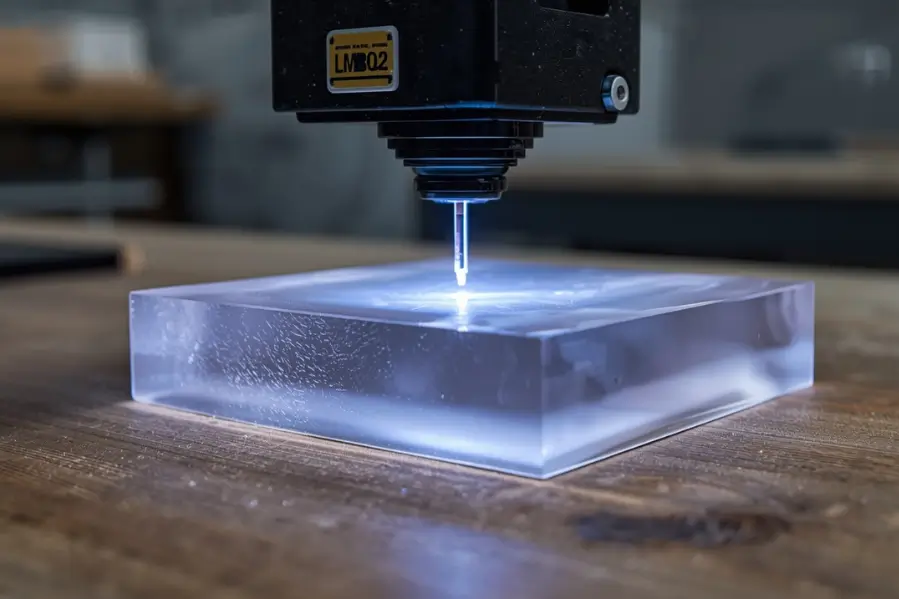
Yes, you can laser engrave resin, but the results depend on the type of resin used. Most solid resins (like epoxy resin castings, UV resin crafts, or resin-based 3D prints) can be engraved with a CO₂ laser. However, not all resins behave the same:
- Epoxy resin: Engraves cleanly with a CO₂ laser, producing frosted or white markings.
- UV-cured resin: Engraves but may discolor or become brittle if overheated.
- Polyester resin: Engraves but tends to yellow or burn more easily.
Important: Always confirm the resin’s composition. Some resins may contain additives that release toxic fumes when burned.
What Laser Settings Work Best for Resin?
Finding the right settings is critical to avoid charring or warping. Below are general CO₂ laser guidelines (adjust depending on machine wattage and resin thickness):
| Laser Setting | Recommendation |
|---|---|
| Power | 10–30% (low to medium) |
| Speed | High speed (300–500 mm/s) to minimize heat |
| Passes | 1–2 light passes instead of one deep pass |
| Focus | Slightly defocused for frosted effect |
| Air Assist | Recommended to reduce burning and fumes |
Tip: Always test on a scrap piece of resin before engraving the final project.
What Are the Benefits of Laser Engraving Resin?
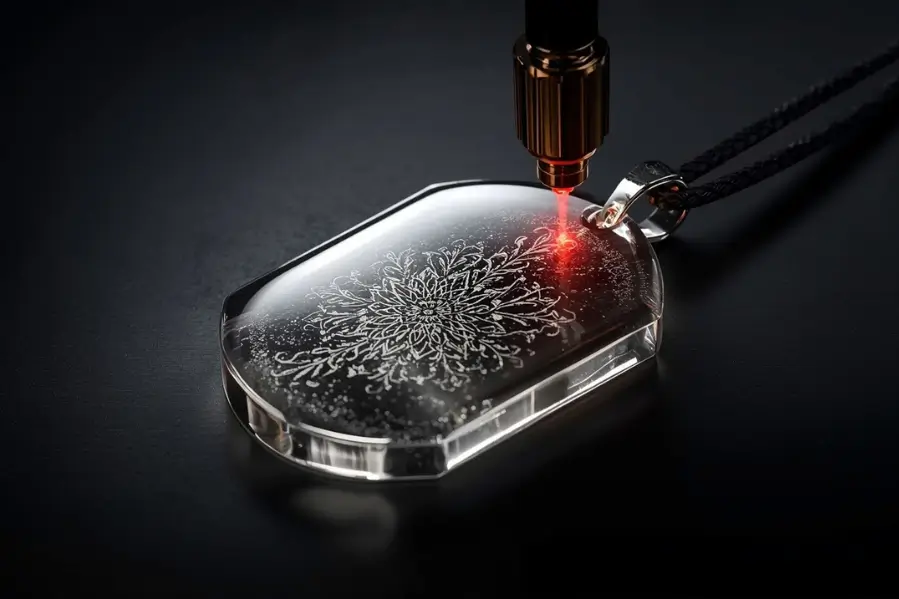
Resin engraving is popular because it combines creativity with durability. Key benefits include:
- Custom finishes such as frosted or white engravings that look striking on clear resin.
- High detail since lasers capture fine text, logos, and patterns.
- Durability because engraved designs will not peel or fade like stickers or paint.
- Versatility for jewelry, signage, trophies, keychains, and even 3D printed parts.
What Are the Downsides of Laser Engraving Resin?
Despite the benefits, there are limitations you should know:
- Fume hazards since resin can release harmful fumes including formaldehyde and VOCs. Always engrave with strong ventilation and a fume extractor.
- Risk of burning if too much power causes yellowing, bubbling, or brittleness.
- Inconsistent results because different resins such as epoxy, UV, or polyester respond differently.
- Limited depth since resin is not ideal for deep engraving or cutting.
For more information on engraving other plastics like ABS, acrylic, and polycarbonate, you can explore this detailed guide: Can You Laser Engrave Plastic?.
Is Resin Safe to Laser Engrave?
This is one of the most important questions. The answer is: with precautions.
- Always use a ventilated enclosure or fume extraction system.
- Wear a respirator mask rated for organic vapors when testing unknown resins.
- Avoid resins that contain PVC or unknown fillers (they can release chlorine gas).
- Never engrave resin near open flames or poor airflow.
When handled responsibly, resin engraving can be safe, but cutting corners on ventilation is a major risk.
How Does Laser Engraving Resin Compare to Other Materials?
| Material | Ease of Engraving | Look/Finish | Safety Concerns |
|---|---|---|---|
| Resin (epoxy) | Moderate | Frosted/white contrast | High fumes risk |
| Acrylic | Easy | Smooth, polished edges | Minimal |
| Wood | Easy | Dark, burned contrast | Smoke but less toxic |
| Glass | Harder | Frosted finish | None, but fragile |
This comparison shows resin sits in the middle: more versatile than glass but less predictable than acrylic.
What Are Real-World Use Cases for Laser Engraved Resin?
Laser-engraved resin is used in many industries and hobbies:
- Custom jewelry such as names, dates, or symbols engraved into resin pendants.
- 3D printed parts where branding, labels, or designs are added to resin-printed objects.
- Awards and trophies that use resin bases with engraved text or logos.
- Signage where clear resin panels are engraved with frosted lettering.
- Crafts and decor including personalized coasters, ornaments, and gifts.
For small businesses, resin engraving can be a profitable add-on to existing services.
If you also work with natural materials, check out these Leather Laser Engraving Ideas for inspiration on creating designs that complement resin projects.
What Alternatives Exist to Laser Engraving Resin?
If you want to avoid fumes or risk of discoloration, alternatives include:
- UV Printing which directly prints ink on resin.
- CNC Engraving which uses a rotary bit instead of a laser.
- Decals and Transfers which are not as durable but are safer.
These options may work better for large-scale or commercial production.
Final Thoughts
Laser engraving resin is possible, safe (with the right precautions), and useful for countless applications. While it requires careful settings and strong ventilation, it’s an excellent way to add permanent, professional-looking customization to resin-based products.
For makers, crafters, and small businesses, resin engraving can open new creative opportunities—just remember: test first, ventilate well, and adjust your laser settings for the cleanest results.
FAQs About Laser Engraving Resin
Can you laser engrave acrylic resin?
Yes, you can laser engrave acrylic resin. It engraves cleanly with a CO₂ laser, producing smooth, frosted markings that stand out well.
Is it safe to laser resin?
It can be safe to laser resin if you use proper ventilation and a fume extractor, since burning resin can release harmful fumes.
Can I use a laser engraver on resin?
Yes, you can use a laser engraver on resin, but results vary by resin type and you must use good ventilation for safety.
What plastic is safe to laser engrave?
Acrylic is the safest plastic to laser engrave. Other safe options include Delrin, polyethylene, polypropylene, and ABS, but always confirm the material does not contain PVC.
Can you laser cut polyester resin?
You can laser cut polyester resin, but it is not recommended. Cutting produces heavy fumes, strong odors, and often causes yellowing or burning of the material. Engraving is safer than cutting.