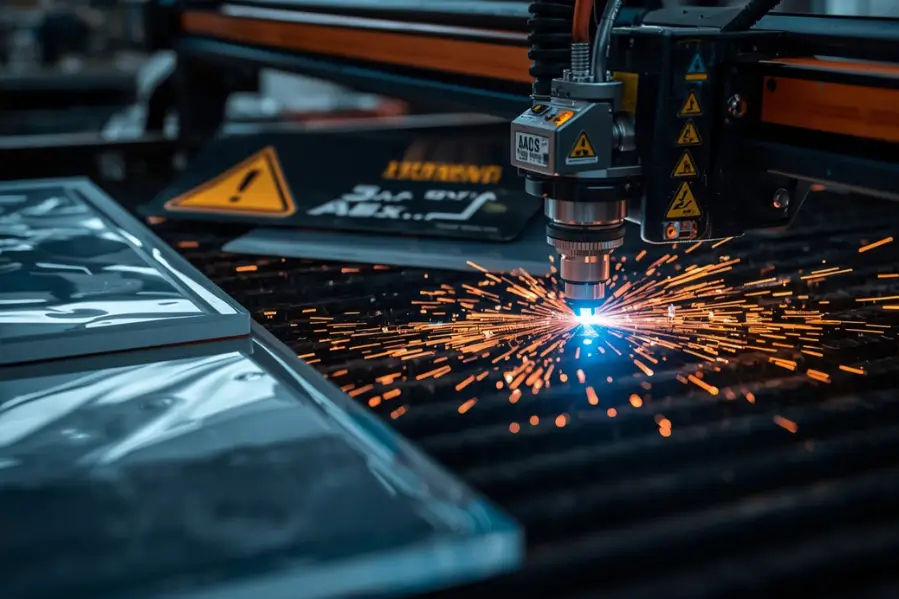

Laser cutting and engraving can deliver incredible precision and speed but only if you use the right materials. Choosing the wrong material does not just lead to poor results. It can damage your machine, release toxic fumes, and even create serious safety hazards.
If you want clean cuts, safe operation, and professional results, knowing which materials to avoid is just as important as knowing what to use.
Key Takeaways
- Not all materials are safe or effective for laser processing
- Some materials release toxic or corrosive fumes
- Others melt, burn, or reflect laser energy poorly
- Using the wrong material can damage your machine
- Always check material compatibility before cutting or engraving
Which Materials Should You Never Use in Laser Cutting or Engraving?
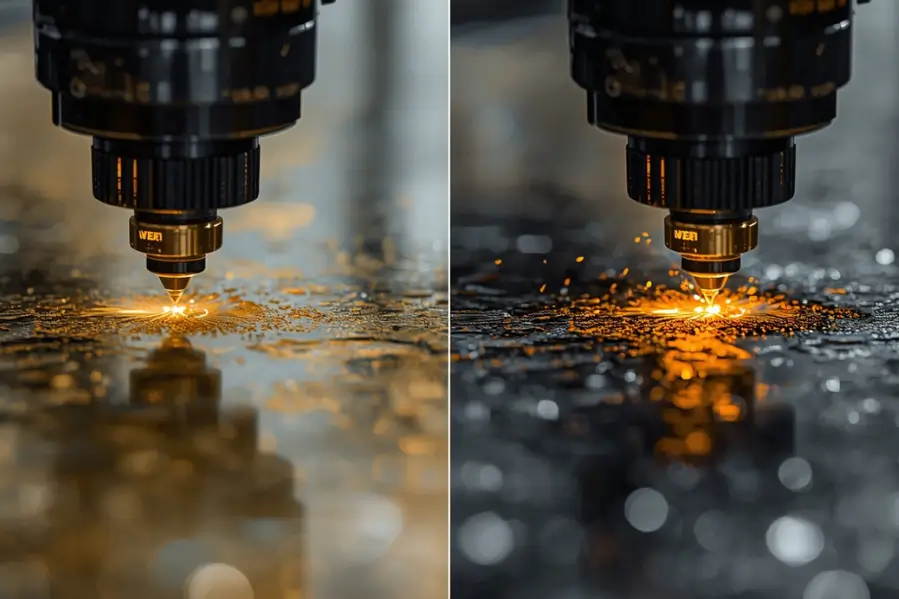
Some materials are completely unsuitable for laser processing due to toxic fumes, poor cutting behavior, or risk of machine damage.
1. PVC (Polyvinyl Chloride) and Vinyl
PVC is one of the most dangerous materials for laser machines.
Why to avoid it:
- Releases chlorine gas when burned
- Produces hydrochloric acid fumes
- Corrodes machine components
- Harmful to health
Even small amounts can damage your laser system permanently.
2. Polycarbonate (Thick Sheets)
While sometimes attempted, polycarbonate is not suitable for laser cutting.
Problems include:
- Melting instead of cutting
- Burnt and discolored edges
- Poor finish quality
It is better to use CNC routing or other methods instead.
3. ABS Plastic
ABS is commonly used in manufacturing but not ideal for lasers.
Issues:
- Melts and curls instead of cutting cleanly
- Produces unpleasant fumes
- Leaves sticky residue
This leads to inconsistent and messy results.
4. Fiberglass
Fiberglass is extremely problematic for laser processing.
Why it is unsuitable:
- Contains glass fibers that do not cut cleanly
- Produces harmful airborne particles
- Can damage internal machine components
It is not recommended for either cutting or engraving.
5. Carbon Fiber
Carbon fiber is strong but difficult to process with lasers.
Challenges:
- Does not cut evenly
- Releases hazardous dust and fumes
- Can damage optics and filters
Specialized equipment is usually required instead.
6. Reflective Metals (Without Proper Laser Type)
Materials like aluminum, copper, and brass can be risky depending on your laser type.
Problems:
- Reflect laser beams
- Can damage CO2 laser systems
- Require fiber lasers for safe processing
Using the wrong laser type can harm your machine.
7. Foam with Unknown Composition
Not all foam is safe for laser use.
Risks include:
- Flammable materials
- Toxic fumes
- Unpredictable melting behavior
Always verify the type of foam before processing.
8. Coated or Painted Materials (Unknown Coatings)
Some coatings contain harmful chemicals.
Potential issues:
- Toxic smoke
- Chemical reactions
- Poor engraving quality
If the coating composition is unknown, it is safer to avoid it.
Why Are Some Materials Unsafe for Laser Cutting?
Certain materials react negatively to laser heat, causing hazards like toxic emissions, fire risks, or inconsistent results.
1. Toxic Fume Emission
Certain plastics release gases that are dangerous to inhale and harmful to machines.
2. Poor Thermal Behavior
Materials that melt or burn unevenly cannot produce clean results.
3. Reflectivity Issues
Highly reflective surfaces can bounce the laser beam back into the machine.
4. Fire Hazards
Some materials ignite easily, increasing the risk of accidents.
Safe vs Unsafe Materials: Quick Comparison
A simple comparison helps you quickly identify which materials are safe to use and which should always be avoided.
| Category | Safe Materials | Unsafe Materials |
|---|---|---|
| Plastics | Acrylic, PETG | PVC, ABS, Polycarbonate |
| Metals | Coated metals (fiber laser) | Reflective metals (CO2 laser) |
| Composites | MDF, Plywood | Fiberglass, Carbon fiber |
| Foam | Laser-safe foam | Unknown or toxic foam |
What Happens If You Use the Wrong Material?
Using unsuitable materials can lead to:
- Machine damage and corrosion
- Toxic exposure to fumes
- Poor cut or engraving quality
- Increased maintenance costs
- Safety risks such as fire hazards
This is why professional workshops strictly control material selection.
How Can You Check If a Material Is Laser Safe?
Before using any material, follow these steps:
- Check manufacturer specifications
- Look for laser compatibility charts
- Test on a small sample
- Ensure proper ventilation
- Avoid materials with unknown composition
Reliable sources like material datasheets and industry safety guidelines should always be referenced.
Get Better Results with the Right Setup
Choosing the right materials is only part of the process. Using a reliable machine also plays a key role. Thunder Laser USA provides laser systems designed for safe and efficient cutting across compatible materials.
Explore their solutions to improve your workflow and avoid costly mistakes.
Final Thoughts
Laser cutting and engraving offer powerful capabilities, but only when used with the right materials. Avoiding unsafe materials like PVC, ABS, and fiberglass protects both your machine and your health.
By understanding material behavior and following safety guidelines, you can achieve better results while maintaining a safe working environment.
Related Read:
- Can You Laser Cut Plexiglass?
- How to Laser Cut a Cylinder
- Can You Laser Engrave Anodized Aluminum?
- What Is Dot Duration in Laser Engraving?
Frequently Asked Questions
Can you laser cut PVC safely?
No, PVC releases toxic and corrosive gases and should never be used.
Why is ABS not recommended?
It melts and produces fumes, leading to poor results.
Are all plastics unsafe for laser cutting?
No, plastics like acrylic are safe and widely used.
Can you laser cut metal with any machine?
No, reflective metals require fiber lasers, not standard CO2 lasers.
Is foam safe for laser cutting?
Only if it is specifically labeled as laser safe.
What is the biggest risk when using the wrong material?
Toxic fumes and machine damage are the biggest risks.